
Amputation Surgery
Safe Surgical Care with Focus on Recovery and Rehabilitation
Hearing the word “amputation” can feel overwhelming. However, in many situations, it is a life-saving procedure that prevents the spread of infection, relieves severe pain, and protects overall health. When performed at the right time and with expert care, it can also open the path toward recovery, mobility, and a better quality of life.
Amputation Surgery in Indore today is not just about removing a limb it is about preserving life, ensuring safety, and supporting patients through rehabilitation and recovery. With modern surgical techniques and comprehensive care, patients can regain independence and confidence.
At Apple Hospital, treatment is guided by Dr. Parvinder S. Lubana, a highly experienced surgeon known for his compassionate approach and expertise in managing complex conditions. His focus is always on making the right decision whether it is limb salvage or safe amputation—while prioritizing the patient’s long-term well-being.
When is Amputation surgery required?
Amputation is considered when a part of the body is severely damaged and cannot be saved. The goal is to remove unhealthy tissue to prevent complications and improve the patient’s overall health.
Amputation Surgery in Indore is recommended when:
- Tissue is severely infected or dead
- Blood supply to the limb is permanently lost
- Pain becomes unmanageable
- Other treatments are no longer effective
Although it is a difficult decision, timely surgery can prevent life-threatening complications and help patients move toward recovery.
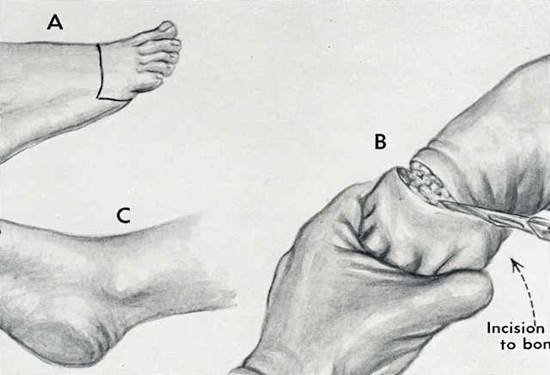
Medical Conditions That May Lead to Amputation
Several medical conditions can lead to the need for amputation. Understanding these helps patients and families make informed decisions.
Severe Gangrene and Tissue Death
Gangrene causes irreversible tissue damage. In advanced cases, Gangrene Surgery in Indore may require amputation to stop the spread of infection.
Advanced Diabetic Foot Complications
Uncontrolled diabetes can lead to ulcers and infections that do not heal. Diabetic Foot Amputation in Indore may be necessary to prevent further complications.
Trauma and Irreversible Limb Injury
Serious accidents or crush injuries can damage tissues beyond repair, making Limb Amputation in Indore the safest option.
Chronic Infections Not Responding to Treatment
Persistent infections that do not improve with medication or minor procedures may require surgical removal of the affected part.
Types of Amputation Procedures Based on Condition
The type of amputation depends on the severity and location of the condition.
Minor Amputation (Toe or Finger)
This involves removing a small part, such as a toe or finger, often seen in early diabetic complications.
Major Limb Amputation (Arm or Leg)
In more severe cases, part of the arm or leg may need to be removed to prevent the spread of disease.
Planned vs Emergency Amputation
Some amputations are planned after careful evaluation, while others are performed urgently in emergency situations to save life. Each case of Amputation Surgery in Indore is carefully assessed to choose the most appropriate approach.
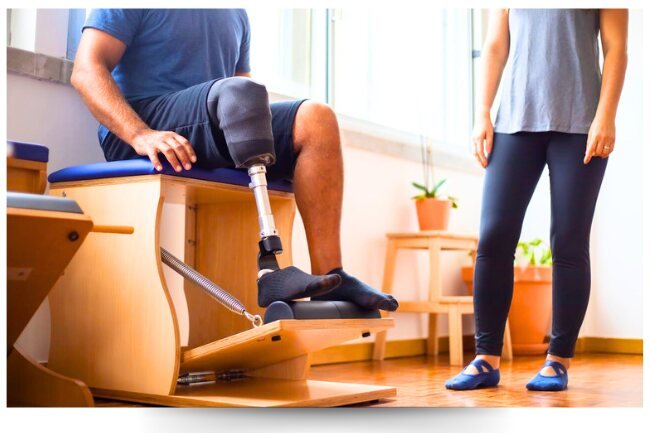
Limb Salvage vs Amputation – Making the Right Decision
One of the most important decisions in treatment is whether to attempt limb salvage or proceed with amputation.
Doctors evaluate:
- Blood supply to the affected limb
- Extent of infection or damage
- Overall health of the patient
- Chances of recovery with other treatments
Whenever possible, Limb Salvage Surgery in Indore is considered first. However, if saving the limb risks the patient’s life, amputation becomes the safer option.
With the guidance of Dr. Parvinder S. Lubana, patients receive honest advice and a clear understanding of their options.
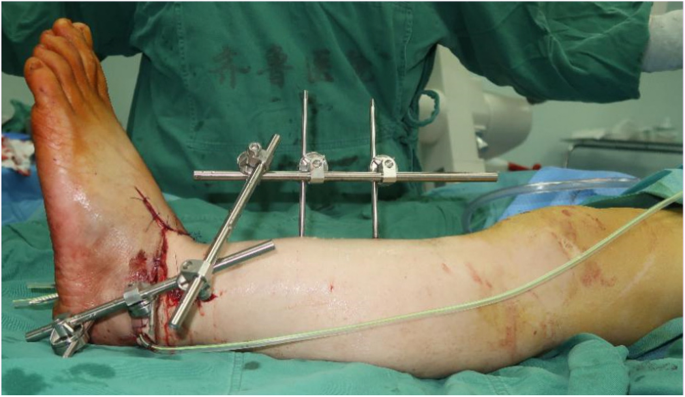
Pre-Surgical Evaluation and Patient Preparation
Before surgery, a thorough evaluation is conducted to ensure safety and readiness.
This includes:
- Detailed medical history and examination
- Blood tests and imaging
- Assessment of infection and circulation
- Counseling about the procedure and recovery
Proper preparation ensures that Amputation Surgery in Indore is performed safely and effectively.
What Happens During Amputation Surgery?
Understanding the procedure can help reduce anxiety and build confidence.
During surgery:
- The procedure is performed under anesthesia
- The affected tissue is carefully removed
- Healthy tissue is preserved as much as possible
- The area is shaped to support healing and prosthetic use
The focus is always on safety, precision, and preparing the limb for rehabilitation after Amputation Surgery in Indore.
Rehabilitation, Prosthetics, and Returning to Daily Life
Recovery does not end with surgery. Rehabilitation plays a crucial role in helping patients regain independence.
This includes:
- Physiotherapy to improve strength and mobility
- Training for balance and movement
- Use of prosthetic limbs when required
- Gradual return to daily activities
With proper rehabilitation, many patients lead active and fulfilling lives after Limb Amputation in Indore.
Post-Surgery Care and Pain Management
After surgery, patients are closely monitored to ensure proper healing.
Care includes:
- Pain management with medications
- Wound care and infection prevention
- Monitoring of overall health
- Support for early recovery
Modern pain management techniques ensure that patients remain as comfortable as possible during recovery.
Frequently Asked Questions

Amputation is required when a limb cannot be saved due to severe infection, gangrene, or trauma. Timely Amputation Surgery in Indore helps prevent life-threatening complications.
The procedure is performed under anesthesia, so patients do not feel pain during surgery. Post-operative pain is managed effectively with medications.
Recovery varies depending on the patient’s condition. Initial healing may take a few weeks, while full rehabilitation may take longer.
Yes, with proper rehabilitation and prosthetics, many patients regain mobility and independence after Limb Amputation in Indore.
The cost depends on the type of surgery, hospital care, and rehabilitation needs. Diabetic Foot Amputation in Indore and major procedures may have different costs.
Not always. While Limb Salvage Surgery in Indore is considered first, amputation may be necessary if saving the limb risks the patient’s life.