
Gangrene Treatment
Timely Care to Prevent Tissue Damage and Complications
Gangrene is a serious medical condition that requires immediate attention. It occurs when body tissue dies due to lack of blood supply or severe infection. While the term itself can sound alarming, timely medical care can effectively control the condition and prevent complications.
With advanced medical facilities, Gangrene Treatment in Indore focuses on early diagnosis, infection control, and preserving as much healthy tissue as possible. The goal is not only to treat the condition but also to protect overall health and quality of life.
At Apple Hospital, patients receive specialized care under Dr. Parvinder S. Lubana, an experienced surgeon known for managing complex infections and critical conditions with precision and care. His approach ensures that treatment is timely, effective, and patient-focused.
What is Gangrene and Why is It a Medical Emergency?
Gangrene refers to the death of body tissue caused by reduced blood flow or severe bacterial infection. It most commonly affects the toes, feet, fingers, and other extremities. The reason it is considered a medical emergency is that the condition can spread quickly. If not treated in time, it may lead to severe infection, organ complications, or even life-threatening situations. Therefore, early Gangrene Treatment in Indore is essential to stop the progression and protect both tissue and life.
Common Causes and Risk Factors of Gangrene
- Diabetes and Poor Blood Circulation
- Injury, Trauma, or Infection
- Peripheral Artery Disease
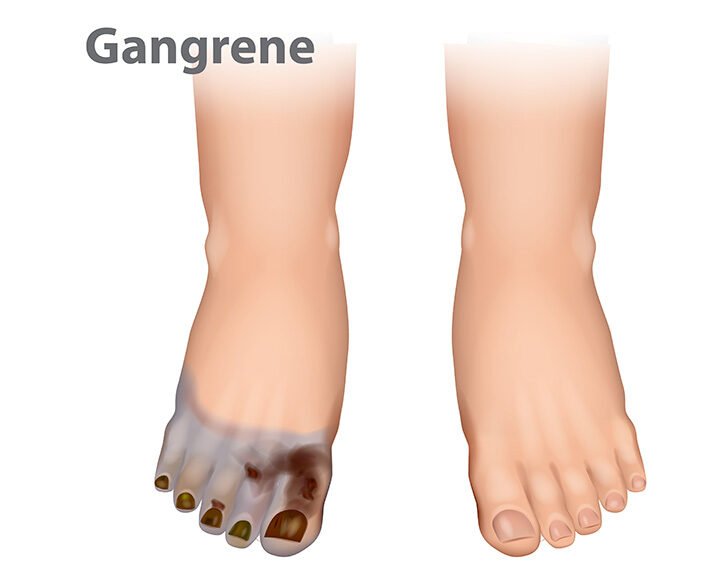
Early Warning Signs of Gangrene You Should Not Ignore
Recognizing symptoms early can make a significant difference in treatment outcomes.
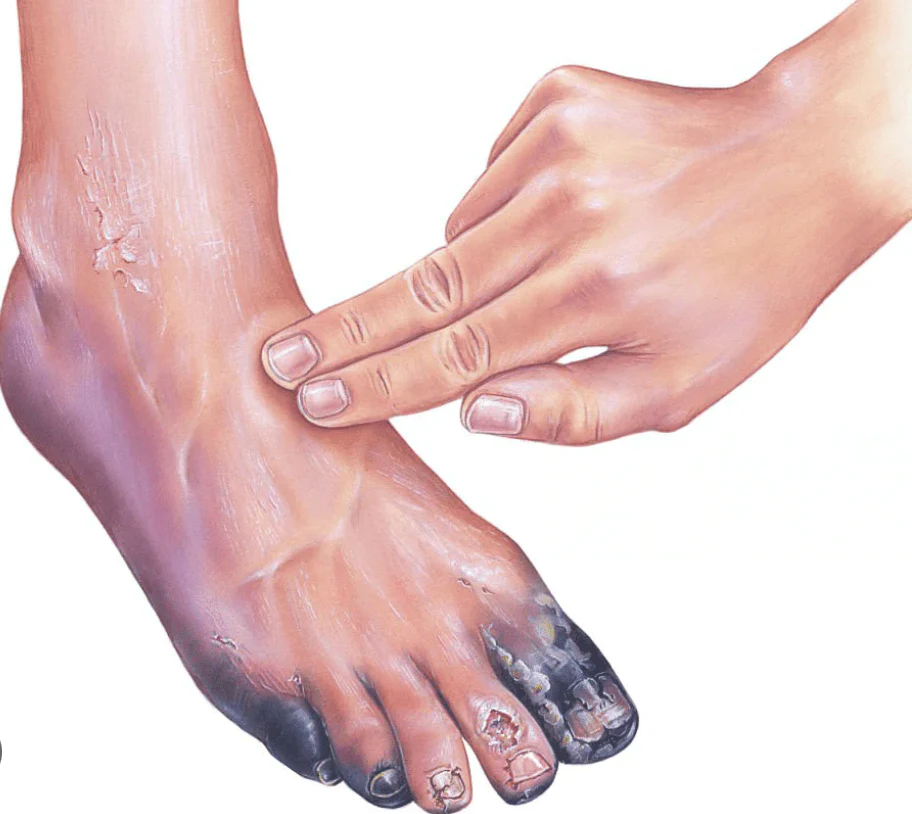
Skin Discoloration
The affected area may change color, often becoming dark or discolored due to tissue damage.
Severe Pain or Sudden Numbness
Some patients experience intense pain initially, followed by numbness as the tissue begins to die.
Foul-Smelling Discharge
An unpleasant odor or discharge may indicate infection, especially in advanced stages.
Swelling, Fever, and Infection
Fever, swelling, and general weakness can signal that the infection is spreading.
Types of Gangrene and How They Differ
Understanding the type of gangrene helps in determining the right treatment approach.
Dry Gangrene
This occurs due to reduced blood flow, often in patients with diabetes or vascular disease. The tissue becomes dry and shriveled.
Wet Gangrene
This type involves infection and spreads rapidly. It requires urgent Tissue Infection Treatment in Indore.
Swelling, Fever, and Infection
Fever, swelling, and general weakness can signal that the infection is spreading.
Each type requires a different treatment strategy, which is carefully planned by experienced specialists like Dr. Parvinder S. Lubana.
Treatment Options for Gangrene
Treatment focuses on stopping infection, removing dead tissue, and restoring blood flow whenever possible.
Antibiotic and Infection Control
Strong antibiotics are used to control bacterial infection and prevent spread.
Surgical Removal of Dead Tissue
Dead or infected tissue is removed to allow healthy tissue to heal.
Gangrene Surgery and Amputation
In severe cases, Gangrene Surgery in Indore may involve removing affected parts to prevent life-threatening complications.
Advanced Wound Care and Reconstruction
Modern wound care techniques help in healing and restoring function. In some cases, reconstructive procedures may be required.
What to Expect During Gangrene Treatment?
Understanding the treatment process helps patients and families feel more prepared.
Initial Assessment:
The severity of gangrene is evaluated through clinical examination and tests.
Treatment Planning:
A personalized plan is created, which may include antibiotics, surgery, or vascular procedures.
Procedure and Care:
Surgical treatment is performed if required, followed by close monitoring and wound care.
With expert guidance from Dr. Parvinder S. Lubana, every step of Gangrene Treatment in Indore is handled with precision and care.
Recovery, Wound Care, and Long-Term Prevention
Recovery depends on the severity of the condition and the type of treatment.
Patients are advised to:
- Maintain proper wound hygiene
- Control underlying conditions like diabetes
- Follow a healthy lifestyle
- Attend regular follow-up visits
Preventive care is essential to avoid recurrence. Proper management after Gangrene Treatment in Indore ensures better long-term outcomes.
Frequently Asked Questions

Yes, gangrene can be life-threatening if not treated in time. However, early Gangrene Treatment in Indore can effectively control the condition and prevent complications.
In many cases, yes. With timely treatment, infection can be controlled, and affected tissue can be managed effectively.
Not always. Early-stage cases may be managed with antibiotics and wound care. However, advanced cases may require Gangrene Surgery in Indore.
The cost depends on treatment type and severity. Diabetic Foot Treatment in Indore and surgical procedures may have different costs, but hospitals provide clear estimates.
Managing diabetes, maintaining hygiene, avoiding injuries, and seeking early Tissue Infection Treatment in Indore can help prevent gangrene.