
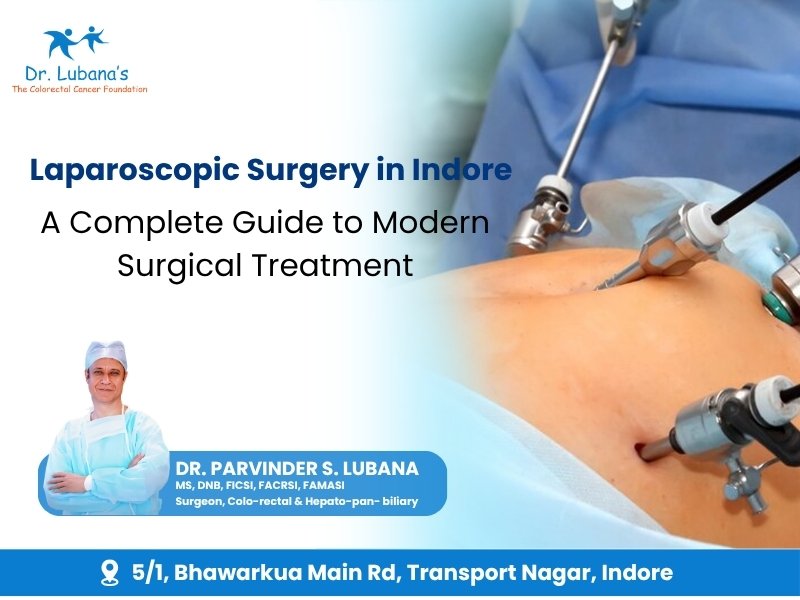
Medical science has evolved significantly over the last few decades, making surgeries safer, more precise, and less painful for patients. One of the biggest advancements in modern surgery is Laparoscopic Surgery in Indore, a minimally invasive surgical technique that helps patients recover faster while reducing discomfort and complications.
Today, many patients prefer Laparoscopic Surgery in Indore because it involves smaller incisions, shorter hospital stays, less blood loss, and quicker return to normal activities. Whether it is gallbladder surgery, hernia repair, appendix removal, colorectal surgery, or gastrointestinal procedures, laparoscopic techniques have transformed the way surgeons perform operations.
When considering advanced surgical treatment, choosing the Best Surgeon in Indore is essential. Experienced specialists understand how to combine advanced technology with patient-centered care to achieve better outcomes.
Dr PS Lubana is widely recognized for his expertise in gastrointestinal, colorectal, hepatobiliary, and cancer surgeries. With more than 30 years of experience and over 40,000 successful surgeries, he has helped countless patients benefit from modern Laparoscopic Surgery in Indore.
What Is Laparoscopic Surgery?
Understanding Minimally Invasive Surgery
Laparoscopic Surgery in Indore is a modern surgical technique that allows surgeons to perform operations through very small cuts instead of a large open incision.
During the procedure, a thin tube called a laparoscope is inserted through a small incision. This instrument contains a high-definition camera that provides a magnified view of internal organs on a monitor. Specialized surgical instruments are then used through additional small incisions to complete the operation.
Because of this advanced approach, patients often experience:
These advantages have made Laparoscopic Surgery in Indore a preferred option for many surgical conditions.
- Smaller scars
- Less pain after surgery
- Reduced risk of infection
- Faster healing
- Shorter hospital stays
- Quicker return to daily activities

Why Is Laparoscopic Surgery Becoming So Popular?
Over the past few years, Laparoscopic Surgery in Indore has gained significant popularity among patients seeking advanced surgical treatment. The procedure is widely preferred because it offers a more comfortable experience, shorter recovery periods, and reduced postoperative discomfort compared to conventional open surgery.
Traditional surgical methods typically require a large incision to access the affected organ or tissue. By contrast, laparoscopic procedures are performed through a few small incisions using a high-definition camera and specialized surgical instruments. This minimally invasive approach allows surgeons to perform complex operations with greater precision while minimizing damage to surrounding tissues.
As medical technology continues to advance, more patients are choosing Laparoscopic Surgery in Indore for conditions such as gallstones, hernias, appendicitis, gastrointestinal disorders, and colorectal diseases. The combination of smaller scars, faster healing, and shorter hospital stays has made laparoscopic surgery a preferred option for both patients and surgeons.
Benefits of Laparoscopic Surgery
Smaller Incisions
One of the biggest benefits of laparoscopic surgery is that it requires very small incisions. Traditional open surgery may need a long cut on the abdomen, which can affect muscles, skin, and surrounding tissues. In laparoscopic surgery, the surgeon makes small openings through which a camera and instruments are inserted.
Because the cuts are small, there is less damage to the body. This helps in faster healing and reduces the chances of large scars. Smaller incisions also make the surgery more comfortable for the patient after the procedure.
Less Pain After Surgery
Pain after surgery is usually related to the size of the incision and the amount of tissue handling during the operation. Since laparoscopic surgery uses small cuts and causes less tissue disturbance, patients generally experience less pain after surgery.
This means patients may need fewer pain medicines and can move around more comfortably. Early movement after surgery is important because it helps improve blood circulation, digestion, and overall recovery. This is one major reason why many people prefer Laparoscopic Surgery in Indore for suitable surgical conditions.
Faster Recovery
Recovery is one of the most important concerns for patients. In traditional surgery, healing may take longer because of the larger wound. Patients may need more rest, a longer hospital stay, and more time away from work or daily activities.
With laparoscopic surgery, recovery is usually faster. Many patients are able to walk within a few hours after surgery and may return home sooner, depending on the type of procedure. They can often resume light activities earlier than patients who undergo open surgery.
For working professionals, homemakers, elderly patients, and busy individuals, faster recovery makes Laparoscopic Surgery in Indore a practical and helpful option.
Reduced Blood Loss
During any surgery, controlling bleeding is very important. Laparoscopic surgery is performed with advanced instruments and a magnified camera view, allowing the surgeon to see blood vessels and tissues clearly. This helps in performing the procedure with greater precision.
Because the incisions are smaller and tissue handling is reduced, blood loss is often less compared to open surgery. Reduced blood loss can make the surgery safer and may lower the need for additional medical support after the procedure.
Lower Risk of Infection
Large wounds have a greater chance of infection because more tissue is exposed during surgery. In laparoscopic surgery, the wounds are much smaller, which means there is less exposure to external germs and contaminants.
Smaller wounds are also easier to keep clean and care for after surgery. This may reduce the chances of wound infection and support better healing. Patients who are worried about postoperative complications often feel more confident choosing Laparoscopic Surgery in Indore when recommended by an experienced surgeon.
Better Cosmetic Results
Many patients are also concerned about visible scars after surgery. Since laparoscopic surgery uses small incisions, the scars are usually minimal and less noticeable over time. This is especially beneficial for patients who want better cosmetic results along with effective treatment.
Smaller scars can also improve patient confidence after recovery. While the main goal of surgery is always health and safety, better cosmetic outcomes are an added advantage of laparoscopic techniques.
Why Choosing the Right Surgeon Matters
Although laparoscopic surgery has many benefits, the result depends greatly on the surgeon’s skill, experience, and decision-making. Every patient’s condition is different, and not every case can be treated in the same way. A detailed evaluation is necessary to decide whether laparoscopic surgery is suitable.
Patients searching for the Best Surgeon in Indore often look for a specialist who has experience in advanced laparoscopic, gastrointestinal, colorectal, liver, pancreatic, and cancer surgeries. Dr PS Lubana brings decades of surgical experience and uses modern techniques to provide safe and patient-focused care.
For this reason, many patients prefer consulting the Best Surgeon in Indore for proper diagnosis, treatment planning, and advanced laparoscopic procedures.

Conditions Treated with Laparoscopic Surgery
Common Surgical Problems Managed Through Laparoscopic Surgery
Modern Laparoscopic Surgery in Indore has transformed the treatment of many abdominal and gastrointestinal conditions. Unlike traditional open surgery, laparoscopic procedures are performed through small incisions using a camera and specialized surgical instruments. This advanced approach allows surgeons to diagnose and treat various conditions with greater precision while helping patients experience less pain, smaller scars, and faster recovery. Below are some of the most common conditions treated through laparoscopic surgery.
Gallbladder Stones (Gallstones)
Gallstones are small, hard deposits that form inside the gallbladder, a small organ located beneath the liver. These stones can develop when substances in bile, such as cholesterol or bilirubin, become unbalanced. While some people may have gallstones without symptoms, others may experience severe abdominal pain, nausea, vomiting, bloating, indigestion, and discomfort after eating fatty foods.
If gallstones block the bile ducts, they can lead to complications such as inflammation of the gallbladder (cholecystitis), infection, jaundice, or even pancreatitis. In many cases, surgical removal of the gallbladder, known as laparoscopic cholecystectomy, is the most effective treatment.
During this procedure, the surgeon removes the gallbladder through small incisions, allowing patients to recover more quickly compared to traditional surgery. Today, gallbladder removal is one of the most frequently performed procedures using Laparoscopic Surgery in Indore, helping patients return to their normal routine within a short period.
Hernia Repair
A hernia occurs when an internal organ or tissue pushes through a weak area in the surrounding muscle or connective tissue. Hernias commonly develop in the abdomen, groin, or around previous surgical scars. Patients may notice a visible bulge, discomfort, heaviness, or pain that worsens during coughing, lifting, or physical activity.
If left untreated, some hernias can enlarge over time and may lead to complications such as intestinal obstruction or strangulation, where blood supply to the trapped tissue becomes restricted. These situations may require emergency medical attention.
Laparoscopic hernia repair is an advanced technique that allows surgeons to repair the weakened area using specialized mesh and instruments inserted through small incisions. Compared to open surgery, laparoscopic repair often results in less postoperative pain, shorter hospital stays, faster recovery, and earlier return to work. Many patients seeking treatment from the Best Surgeon in Indore prefer laparoscopic hernia repair because of its excellent outcomes and minimal disruption to daily life.
Appendix Problems (Appendicitis)
The appendix is a small, finger-shaped pouch attached to the large intestine. When it becomes inflamed or infected, the condition is known as appendicitis. This is a medical emergency that usually causes sudden pain beginning around the navel and moving toward the lower right side of the abdomen.
Other symptoms may include fever, nausea, vomiting, loss of appetite, abdominal swelling, and difficulty passing gas. If not treated promptly, the appendix can rupture, leading to serious infection within the abdominal cavity.
Laparoscopic appendectomy is considered one of the most effective treatments for appendicitis. During the procedure, the inflamed appendix is removed through small incisions using a laparoscope and specialized instruments. The minimally invasive approach provides better visualization of the abdominal cavity, less postoperative discomfort, and quicker recovery. As a result, laparoscopic appendectomy has become a widely accepted option in Laparoscopic Surgery in Indore for both adults and children.
Gastrointestinal Disorders
The gastrointestinal (GI) tract includes the stomach, small intestine, large intestine, rectum, and associated digestive organs. Various gastrointestinal disorders may require surgical intervention when medications or conservative treatments are no longer effective.
Laparoscopic techniques allow surgeons to access and treat digestive system disorders with greater accuracy while minimizing trauma to surrounding tissues. Patients often experience shorter hospital stays, reduced risk of infection, and faster healing. For many digestive conditions, Laparoscopic Surgery in Indore has become an important advancement in improving patient comfort and treatment outcomes.
Conditions that may benefit from laparoscopic surgery include:
- Severe acid reflux disease (GERD)
- Intestinal obstruction
- Stomach tumors
- Gastrointestinal bleeding
- Small bowel diseases
- Certain inflammatory bowel conditions
- Gastrointestinal cysts and growths
Colorectal Diseases
Colorectal diseases affect the colon, rectum, and anus. These conditions can significantly impact digestive health and quality of life. Common colorectal problems include colorectal cancer, polyps, diverticular disease, inflammatory bowel disease, rectal prolapse, fistulas, and severe hemorrhoidal conditions.
Advanced laparoscopic techniques are increasingly used for colorectal surgeries because they provide excellent visualization of delicate pelvic structures. Surgeons can perform complex procedures with greater precision while reducing surgical trauma.
For patients diagnosed with colorectal cancer, minimally invasive surgery can help remove cancerous tissues while preserving healthy surrounding structures whenever possible. As a highly experienced colorectal surgeon, Dr PS Lubana specializes in managing complex colorectal conditions using advanced surgical techniques. Patients looking for the Best Surgeon in Indore often seek expert evaluation for these specialized procedures.
Symptoms may include:
- Persistent abdominal pain
- Changes in bowel habits
- Blood in stool
- Unexplained weight loss
- Chronic constipation or diarrhea
- Fatigue and weakness
Liver and Pancreatic Conditions
The liver and pancreas are essential organs involved in digestion, metabolism, and overall body function. Diseases affecting these organs can sometimes require surgical treatment, particularly when tumors, cysts, stones, or structural abnormalities are present.
Because these organs are located deep within the abdomen and closely connected to major blood vessels, surgery requires specialized expertise and careful planning. Advances in laparoscopic technology have enabled surgeons to perform selected liver and pancreatic procedures with greater precision and safety.
Patients undergoing minimally invasive treatment for these conditions may benefit from smaller incisions, less postoperative pain, shorter hospitalization, and faster return to normal activities. When dealing with complex hepatobiliary and pancreatic diseases, choosing the Best Surgeon in Indore with extensive experience in advanced gastrointestinal surgery plays an important role in achieving successful outcomes.
Common liver and pancreatic conditions that may be evaluated for laparoscopic management include:
- Liver cysts
- Benign liver tumors
- Certain liver lesions
- Pancreatic cysts
- Selected pancreatic tumors
- Gallstone-related pancreatic complications
- Bile duct disorders

Why Expertise Matters in Laparoscopic Surgery
Although laparoscopic surgery offers many advantages, successful outcomes depend heavily on the surgeon’s training, experience, and understanding of complex anatomy. Every patient and every condition is unique, requiring individualized evaluation and treatment planning.
Dr PS Lubana has more than 30 years of surgical experience and has performed over 40,000 successful surgeries. His expertise in gastrointestinal, colorectal, hepatobiliary, pancreatic, and cancer surgeries allows patients to receive advanced treatment using modern minimally invasive techniques whenever appropriate.
For individuals seeking Laparoscopic Surgery in Indore, consulting an experienced specialist ensures accurate diagnosis, proper treatment planning, and the highest standards of surgical care.
Who Is a Good Candidate for Laparoscopic Surgery?
Understanding Eligibility
Not every patient requires open surgery. Many individuals can benefit from Laparoscopic Surgery in Indore after proper medical evaluation.
A detailed consultation with the Best Surgeon in Indore helps determine the most appropriate surgical approach.
You may be a suitable candidate if:
- Your condition can be treated minimally invasively
- You are medically fit for anesthesia
- Your surgeon determines laparoscopic access is safe
- The expected benefits outweigh potential risks.
How Is Laparoscopic Surgery Performed? A Step-by-Step Explanation
Understanding how Laparoscopic Surgery in Indore is performed can help patients feel more confident and prepared before undergoing treatment. Although the procedure may seem complex, it follows a carefully planned process designed to maximize safety, precision, and patient comfort. Modern laparoscopic techniques allow surgeons to perform a wide range of operations through small incisions while achieving excellent surgical outcomes.
Administration of Anesthesia
The first step in most laparoscopic procedures is the administration of general anesthesia. General anesthesia ensures that the patient remains completely asleep, comfortable, and pain-free throughout the operation. Before surgery begins, an anesthesiologist carefully evaluates the patient’s medical history, current health condition, medications, allergies, and any previous experiences with anesthesia.
During the procedure, the anesthesia team continuously monitors vital signs such as heart rate, blood pressure, oxygen levels, breathing patterns, and body temperature. This close monitoring helps maintain patient safety throughout the surgery. Because patients are fully unconscious under general anesthesia, they do not experience pain, discomfort, or awareness during the operation.
The use of advanced anesthesia techniques is one of the reasons why Laparoscopic Surgery in Indore is considered safe and comfortable for many patients undergoing abdominal and gastrointestinal procedures.
Creation of Small Incisions
Once the patient is safely under anesthesia, the surgeon creates a few small incisions in the abdominal wall. These incisions are typically much smaller than those required for traditional open surgery, often measuring only a few millimeters to a centimeter in length.
The number and location of these incisions depend on the type of surgery being performed. For example, gallbladder surgery, hernia repair, appendix removal, and colorectal procedures may require different port placements. These small openings serve as entry points for the laparoscope and specialized surgical instruments.
One of the major advantages of this approach is that it minimizes damage to surrounding muscles and tissues. Smaller incisions generally result in less postoperative pain, reduced blood loss, lower risk of infection, smaller scars, and faster healing. This minimally invasive approach has contributed significantly to the growing popularity of Laparoscopic Surgery in Indore.
Introduction of the Laparoscope
After creating the incisions, the surgeon gently inserts a laparoscope through one of the ports. A laparoscope is a thin, flexible tube equipped with a high-definition camera and light source. This advanced device provides a clear, magnified view of the internal organs and structures within the abdominal cavity.
The images captured by the camera are displayed in real time on large monitors in the operating room. This magnified view allows the surgeon to examine tissues, blood vessels, organs, and any abnormalities with remarkable precision. In many cases, the visibility offered by laparoscopic technology can be even better than what is achieved during traditional open surgery.
To create additional working space inside the abdomen, a harmless gas known as carbon dioxide is usually introduced. This gently inflates the abdominal cavity, allowing the surgeon to see and access organs more effectively.
The enhanced visualization provided by the laparoscope helps surgeons perform delicate procedures with greater accuracy while reducing trauma to surrounding tissues.
Performing the Surgical Procedure
Once the laparoscope is in place and the surgical field is clearly visible, specialized instruments are inserted through the additional ports. These instruments are specifically designed for minimally invasive surgery and allow the surgeon to perform precise movements inside the body without requiring large incisions.
Depending on the patient’s condition, the surgeon may remove diseased organs, repair damaged tissues, remove tumors, treat hernias, address gastrointestinal disorders, or perform other necessary procedures. Throughout the operation, the surgeon carefully watches the magnified images on the monitor while controlling the instruments with exceptional precision.
The precision offered by laparoscopic instruments often leads to less tissue damage, reduced bleeding, and improved surgical outcomes. This is one reason many patients choose experienced specialists such as Dr PS Lubana when considering Laparoscopic Surgery in Indore.
For example:
- During gallbladder surgery, the gallbladder is carefully separated and removed.
- During hernia repair, weakened tissues are strengthened using surgical mesh.
- During appendectomy, the inflamed appendix is removed.
- During colorectal surgery, diseased portions of the intestine may be treated or removed.
- During liver or pancreatic procedures, specialized techniques are used to manage selected conditions safely.
Closure and Completion of Surgery
Once the surgical procedure has been successfully completed, the surgeon carefully inspects the treated area to ensure there is no active bleeding or complication. The surgical instruments and laparoscope are then removed from the abdomen.
The carbon dioxide gas used during the procedure is released, allowing the abdominal cavity to return to its normal state. The small incisions are then closed using sutures, surgical glue, or specialized adhesive strips, depending on the type of surgery and the surgeon’s preference.
Because the incisions are small, patients typically experience less discomfort and minimal scarring compared to traditional open surgery. Sterile dressings are applied to protect the surgical sites and support proper healing.
Following surgery, patients are transferred to a recovery area where medical professionals monitor them as they awaken from anesthesia. Many patients can begin walking within a few hours and may return home the same day or after a short hospital stay, depending on the complexity of the procedure.
Why This Advanced Process Benefits Patients
The structured approach used in Laparoscopic Surgery in Indore offers numerous advantages over conventional open surgery. Smaller incisions, improved visualization, advanced surgical precision, and faster recovery make laparoscopic procedures an excellent option for many abdominal and gastrointestinal conditions.
With decades of experience in gastrointestinal, colorectal, hepatobiliary, pancreatic, and cancer surgeries, Dr PS Lubana utilizes advanced laparoscopic techniques to provide safe, effective, and patient-focused surgical care. This modern surgical approach continues to make Laparoscopic Surgery in Indore a preferred treatment option for patients seeking high-quality surgical outcomes and quicker recovery
Patients often benefit from:
- Less postoperative pain
- Reduced risk of infection
- Smaller surgical scars
- Shorter hospital stays
- Faster return to daily activities
- Lower blood loss during surgery
- Improved overall recovery experience
FAQs About Laparoscopic Surgery in Indore
1. What is the cost of Laparoscopic Surgery in Indore?
The cost of Laparoscopic Surgery in Indore varies depending on the type of surgery, hospital facilities, complexity of the condition, anesthesia requirements, and duration of hospitalization. Procedures such as gallbladder removal, hernia repair, or appendix surgery may have different costs. A consultation with Dr PS Lubana can help determine the estimated treatment cost based on your specific medical condition.
2. What is the recovery time after Laparoscopic Surgery in Indore?
Laparoscopic surgery recovery time is generally shorter than traditional open surgery. Most patients can start walking within a few hours after the procedure and return to light daily activities within a few days. Complete recovery may take anywhere from one to six weeks, depending on the type of surgery performed and the patient’s overall health.
3. Can I watch a laparoscopic surgery video before my procedure?
Yes, many educational laparoscopic surgery videos are available to help patients understand how the procedure is performed. These videos demonstrate the use of a laparoscope, surgical instruments, and minimally invasive techniques. However, every patient’s surgery is unique, so it is best to discuss the procedure directly with your surgeon.
4. Is laparoscopic surgery safe for pregnancy-related conditions?
In selected cases, laparoscopic surgery for pregnancy may be performed when medically necessary. Certain conditions such as ovarian cysts, gallbladder disease, or appendicitis during pregnancy can sometimes be treated using laparoscopic techniques. The decision depends on the stage of pregnancy, maternal health, and the specific condition being treated.
5. How much time does laparoscopic surgery take?
The duration of laparoscopic surgery varies according to the procedure being performed. Simple procedures may take 30 minutes to 1 hour, while more complex gastrointestinal, colorectal, liver, or pancreatic surgeries can take several hours. Your surgeon can provide a more accurate estimate after evaluating your condition.
6. What is the patient position during laparoscopic surgery?
The laparoscopic surgery position depends on the type of operation being performed. Patients may be positioned flat on their back, slightly tilted, or in specialized positions that provide the surgeon with the best access to the surgical area. Proper positioning is important for both patient safety and surgical precision.