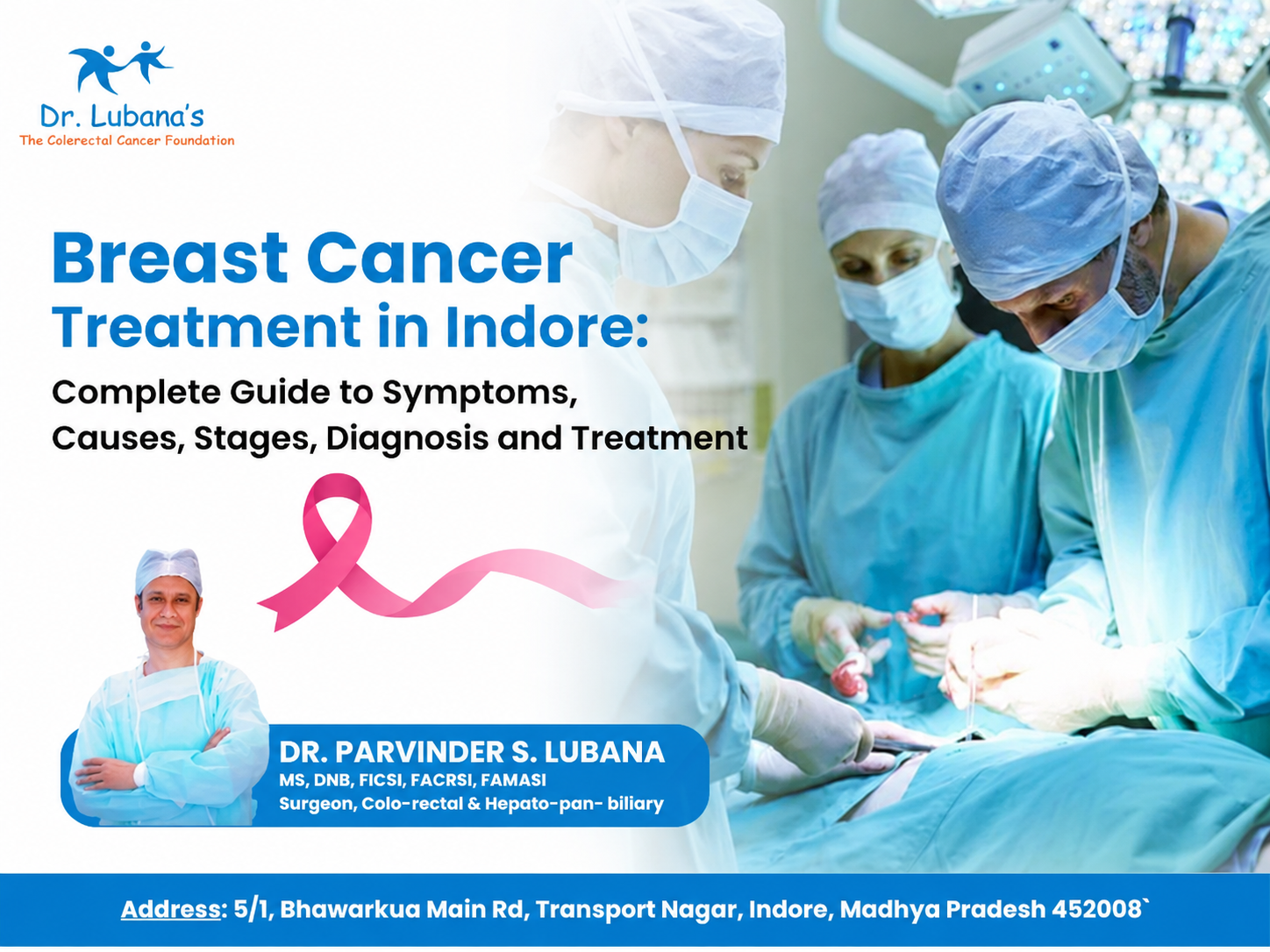
Breast cancer is one of the most commonly diagnosed cancers among women worldwide. It develops when abnormal cells in the breast begin growing uncontrollably and form a tumour. Although breast cancer is more common in women, men can also develop this condition. Early identification, accurate diagnosis and appropriate medical care play an important role in managing the disease. Understanding the available options for Breast Cancer Treatment in Indore can help patients and their families make informed decisions about their healthcare.
Breast cancer may develop in the milk ducts or milk-producing lobules of the breast. In some cases, it remains confined to its original location, while in others, it may spread to surrounding tissues, lymph nodes or distant organs. The treatment approach depends on the type of cancer, its stage, tumour characteristics and the patient’s overall health.
Dr. Parvinder S. Lubana is an experienced gastrointestinal and cancer surgeon in Indore with over 30 years of surgical experience and more than 40,000 surgeries. His expertise includes gastrointestinal, colorectal and hepatopancreatobiliary surgery, along with the management of complex abdominal and cancer-related conditions.
Many women initially notice a breast lump, changes in breast size, nipple discharge or alterations in the skin. However, early breast cancer may not always produce noticeable symptoms. This is why awareness, timely medical evaluation and appropriate screening are important.
This article explains the common causes, warning signs, stages, diagnostic investigations, treatment options, surgical procedures and recovery associated with breast cancer. It also discusses when to consult a specialist and what patients should understand before beginning treatment.
About Dr. Parvinder S. Lubana
Dr. Parvinder S. Lubana is a highly experienced gastrointestinal and cancer surgeon in Indore, known for providing advanced surgical care for complex gastrointestinal and cancer-related conditions. He holds MS, DNB and fellowship qualifications, including advanced training in hepatobiliary and colorectal surgery.
With over 30 years of experience and more than 40,000 successful surgeries, his areas of expertise include:
- Gallbladder diseases.
- Liver-related surgical conditions.
- Pancreatic diseases.
- Colorectal cancers.
- Gastrointestinal cancers.
- Laparoscopic and minimally invasive surgery.
- Complex abdominal surgical conditions.
His treatment approach focuses on accurate diagnosis, appropriate surgical planning, modern techniques and patient-centred care.
For patients exploring cancer-related treatment options, understanding the diagnosis and consulting the appropriate oncology specialist are important steps. Breast cancer treatment should be planned according to the patient’s pathology reports, tumour characteristics and individual medical requirements.
What Is Breast Cancer?
Breast cancer is a disease in which abnormal cells in breast tissue grow and multiply uncontrollably. These cells may form a mass or tumour that can invade surrounding tissues and, in some cases, spread to other parts of the body. Most breast cancers begin in the milk ducts or lobules.
The two commonly discussed categories include:
1. Ductal Carcinoma: This cancer begins in the milk ducts that carry milk towards the nipple. Ductal carcinoma in situ (DCIS) remains inside the ducts, while invasive ductal carcinoma can spread into surrounding breast tissue.
2. Lobular Carcinoma: This cancer develops in the milk-producing lobules. Lobular carcinoma in situ (LCIS) is generally considered a marker of increased breast cancer risk rather than invasive cancer, whereas invasive lobular carcinoma can spread into surrounding tissues.
The type of breast cancer is determined through pathological examination and specialised testing. These findings help doctors select appropriate treatment options.
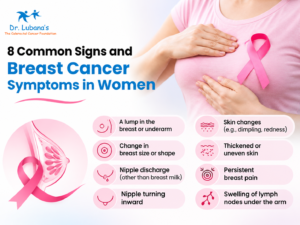
8 Common Signs and Breast Cancer Symptoms in Women
Recognising unusual breast changes is important because early breast cancer may not cause pain or other obvious symptoms.
Common warning signs include:
1. Breast Lump or Thickening
A new lump or thickened area in the breast is one of the commonly recognised warning signs. Some lumps may feel hard, irregular or different from the surrounding tissue. However, most breast lumps are not cancerous. They may develop because of cysts, fibroadenomas, hormonal changes or other benign conditions. Any new or persistent lump should be medically evaluated. A Breast Cancer Specialist in Indore can assess the lump and recommend suitable investigations.
2. Changes in Breast Size or Shape
An unexplained change in the size, shape or appearance of one breast may require medical attention.
Some patients may notice:
- One breast becoming larger than the other.
- A new difference in breast shape.
- Unusual swelling.
- Changes in breast contour.
- Persistent changes in breast appearance.
These changes do not always indicate cancer, but they should not be ignored.
3. Nipple Discharge
Unexpected nipple discharge, particularly bloody discharge or discharge occurring without breastfeeding, should be evaluated.
Other nipple-related changes may include:
- Nipple turning inward.
- Changes in nipple direction.
- Persistent crusting around the nipple.
- Changes in nipple appearance.
- Unusual discharge from one breast.
A doctor may recommend imaging or other investigations to understand the underlying cause.
4. Skin Dimpling or Puckering
Breast cancer may sometimes affect the skin and surrounding tissues, causing visible changes.
You may notice:
- Dimpling of breast skin.
- Puckering or pulling of the skin.
- Redness or swelling.
- Thickened skin.
- An orange-peel-like appearance.
These changes require clinical evaluation, particularly when they develop suddenly or persist.
5. Persistent Breast Swelling
Unusual swelling in one breast may occur even without a clearly noticeable lump. Inflammatory breast cancer, a less common and aggressive type, may cause redness, warmth, swelling and skin changes. Persistent swelling should be examined rather than treated through home remedies alone.
6. Changes Around the Armpit
Breast cancer can sometimes spread to nearby lymph nodes, particularly those located under the arms.
Possible signs include:
- A lump in the armpit.
- Swelling near the collarbone.
- Persistent thickening around the underarm.
- Unexplained swelling in nearby lymph node areas.
A clinical examination and appropriate imaging can help determine the cause.
7. Persistent Breast or Nipple Changes
Breast cancer does not usually cause pain in its early stages. However, some patients may experience persistent discomfort, tenderness or changes around the nipple. Breast pain alone is not usually a specific sign of cancer, but unexplained or persistent symptoms should be assessed.
8. Symptoms of Advanced Breast Cancer
When cancer spreads beyond the breast, symptoms may depend on the affected organ.
These can include:
- Persistent bone pain.
- Unexplained headaches.
- Breathlessness.
- Persistent cough.
- Unexplained weight loss.
- Neurological changes.
- Abdominal swelling.
These symptoms can have many causes and require appropriate medical assessment.
What Are the Common Risk Factors for Breast Cancer?
Breast cancer can develop due to a combination of genetic, hormonal, biological and environmental factors. Having a risk factor does not necessarily mean someone will develop cancer.
Common risk factors include:
1. Increasing Age
The risk of breast cancer generally increases with age. Many cases are diagnosed in women above 50 years, although younger women can also develop the disease.
2. Family History
Having a close relative with breast or ovarian cancer may increase the risk. Certain inherited gene mutations, particularly BRCA1 and BRCA2, are associated with an increased risk of breast cancer.
3. Hormonal Factors
Longer lifetime exposure to certain hormones may influence breast cancer risk.
Factors may include:
- Early onset of menstruation.
- Late menopause.
- Having the first pregnancy at an older age.
- Not having a full-term pregnancy.
- Certain hormone replacement therapies.
4. Lifestyle Factors
Some lifestyle-related factors may influence breast cancer risk, including:
- Excess body weight, particularly after menopause.
- Physical inactivity.
- Alcohol consumption.
- Certain dietary and metabolic factors.
5. Previous Breast Conditions
Some women with certain high-risk breast lesions or previous breast cancer may have an increased risk of developing breast cancer.
A Breast Cancer Specialist in Indore can help assess individual risk factors and determine whether additional evaluation or screening is appropriate.
What Are the Different Stages of Breast Cancer?
Breast cancer is commonly classified into stages based on tumour size, lymph node involvement and whether the cancer has spread to distant organs.
Stage 0: Non-Invasive Breast Cancer
Stage 0 commonly refers to ductal carcinoma in situ (DCIS). Abnormal cells are present inside the milk ducts but have not invaded surrounding breast tissue. Treatment may involve breast-conserving surgery or mastectomy in selected cases, with radiation therapy or other treatment depending on individual findings.
Stage 1: Early-Stage Breast Cancer
At this stage, the tumour is generally small, and cancer may or may not involve a limited number of nearby lymph nodes. Treatment may include surgery, radiation therapy and appropriate medication.
Stage 2: Breast Cancer with Greater Local Involvement
The tumour may be larger or involve nearby lymph nodes. Depending on tumour characteristics, treatment may involve chemotherapy before surgery, surgery, radiation and other systemic therapies.
Stage 3: Locally Advanced Breast Cancer
Cancer may involve more extensive nearby tissues or lymph nodes but has not spread to distant organs. Treatment commonly involves a combination of systemic therapy, surgery and radiation therapy.
Stage 4: Metastatic Breast Cancer
At this stage, cancer has spread to distant organs such as the bones, lungs, liver or brain. Treatment focuses on controlling the disease, managing symptoms, maintaining quality of life and prolonging survival where possible. The stage alone does not determine the complete treatment plan. Tumour biology and biomarker results are also important.
How Is Breast Cancer Diagnosed?
Accurate diagnosis is essential before beginning treatment. Breast Cancer Diagnosis in Indore may involve a combination of clinical examination, imaging and tissue testing.
1. Clinical Breast Examination
The doctor examines both breasts and nearby lymph node areas to identify unusual lumps, skin changes, nipple abnormalities or swelling. The patient’s medical history and family history may also be reviewed.
2. Mammography
Mammography uses low-dose X-rays to create images of breast tissue.
It may help identify:
- Suspicious breast masses.
- Microcalcifications.
- Abnormal tissue changes.
- Areas requiring further investigation.
Mammography may be used for screening or diagnostic evaluation, depending on the patient’s symptoms and clinical situation.
3. Breast Ultrasound
Breast ultrasound uses sound waves to create images of breast tissue. It can help distinguish between fluid-filled cysts and solid masses. It may also help examine nearby lymph nodes and guide certain biopsy procedures.
4. Breast MRI
Breast MRI uses magnetic fields and radio waves to create detailed images. It may be recommended in selected situations, including certain high-risk patients or when additional information about the extent of disease is needed.
5. Breast Biopsy
A biopsy involves collecting a small sample of breast tissue for examination under a microscope. A core needle biopsy is commonly used when imaging identifies a suspicious abnormality.
The pathology report helps determine whether cancer is present and identifies important tumour characteristics.
6. Hormone Receptor and HER2 Testing
When breast cancer is diagnosed, specialised tests may examine:
- Estrogen receptor (ER).
- Progesterone receptor (PR).
- HER2 status.
- Ki-67 proliferation index, when indicated.
These results help classify the cancer and guide decisions regarding hormonal therapy, targeted therapy and other treatments.
What Are the Available Breast Cancer Treatment Options?
The treatment plan depends on cancer stage, tumour biology, age, general health and individual preferences.
Breast Oncology Treatment in Indore may involve a combination of different treatment approaches.
1. Breast Cancer Surgery
Surgery is an important treatment option for many patients with localised breast cancer.
Common surgical procedures include:
Lumpectomy or Breast-Conserving Surgery
This procedure removes the cancerous tumour along with a margin of surrounding healthy tissue while preserving most of the breast. Radiation therapy is often recommended after breast-conserving surgery, depending on the clinical findings.
Mastectomy
A mastectomy involves removing the entire breast. It may be recommended in certain patients depending on tumour size, disease extent, genetic risk and other factors. Breast reconstruction may be discussed with eligible patients.
Sentinel Lymph Node Biopsy
This procedure identifies and removes the first lymph nodes to which cancer is most likely to spread. It helps determine whether cancer cells have reached nearby lymph nodes.
Surgical treatment requires an individual assessment by an appropriately qualified breast surgeon or surgical oncology team. Dr. Parvinder S. Lubana’s documented surgical expertise is in gastrointestinal, colorectal and hepatopancreatobiliary procedures; breast-specific surgical expertise should be confirmed separately.
2. Chemotherapy
Chemotherapy uses medicines to destroy cancer cells or stop their growth.
It may be given:
- Before surgery to shrink the tumour.
- After surgery to reduce recurrence risk.
- In advanced breast cancer to control disease.
The specific medicines and treatment schedule depend on cancer type and individual health factors.
3. Radiation Therapy
Radiation therapy uses high-energy radiation to destroy cancer cells in targeted areas. It may be recommended after breast-conserving surgery or in selected patients after mastectomy. The treatment plan depends on tumour characteristics, surgical findings and lymph node involvement.
4. Hormone Therapy
Some breast cancers depend on hormones such as estrogen or progesterone for growth. Hormone therapy may be recommended for hormone receptor-positive breast cancer. Medicines may include tamoxifen or aromatase inhibitors, depending on the patient’s age, menopausal status and clinical situation.
5. Targeted Therapy
Targeted therapies act on specific proteins or pathways involved in cancer growth. For example, HER2-targeted medicines may be recommended for eligible patients with HER2-positive breast cancer. These treatments are selected according to biomarker test results.
6. Immunotherapy
Immunotherapy helps the immune system recognise and attack cancer cells. It may be considered in selected patients, particularly certain cases of triple-negative breast cancer, depending on disease stage and biomarker findings. Not every patient is suitable for immunotherapy.
What Is Breast Cancer Recovery Like?
Recovery depends on the type of treatment, cancer stage, overall health and whether the patient undergoes surgery, chemotherapy or radiation therapy.
Recovery After Surgery
Patients may experience temporary pain, swelling, bruising and tiredness following breast surgery.
The medical team may recommend:
- Following wound-care instructions.
- Keeping the surgical area clean.
- Taking prescribed medicines.
- Avoiding strenuous activities initially.
- Performing recommended arm and shoulder exercises.
- Attending scheduled follow-up visits.
Recovery During Chemotherapy
Chemotherapy may cause side effects such as fatigue, nausea, hair loss and changes in blood counts. Supportive medicines and regular monitoring can help manage treatment-related symptoms.
Emotional and Psychological Support
A breast cancer diagnosis can affect emotional well-being, body image, family life and daily activities. Counselling, support groups, family involvement and psychological care may help patients cope with the treatment journey.
Follow-up appointments are important for monitoring recovery, managing side effects and detecting possible recurrence.
How Can Breast Cancer Risk Be Reduced?
Not every breast cancer case can be prevented. However, certain lifestyle habits and risk-management measures may help reduce some risk factors.
Consider the following steps:
- Maintain a healthy body weight.
- Stay physically active.
- Limit or avoid alcohol consumption.
- Avoid tobacco.
- Discuss family history with a healthcare professional.
- Seek evaluation for unusual breast changes.
- Follow an appropriate screening plan based on age and individual risk.
- Discuss genetic counselling if there is a strong family history.
Being familiar with your normal breast appearance and seeking medical advice for unusual changes can support early evaluation.
Screening recommendations should be individualised. A self-examination alone cannot replace clinical assessment or recommended imaging.
When Should You Consult a Breast Cancer Specialist in Indore?
You should seek medical evaluation if you notice any unusual or persistent breast changes.
Consider consulting a specialist if you experience:
- A new breast lump.
- Unexplained swelling.
- Changes in breast size or shape.
- Nipple inversion or unusual discharge.
- Skin dimpling or redness.
- A lump in the armpit.
- Persistent unexplained breast changes.
- An abnormal mammography or ultrasound report.
A Breast Cancer Specialist in Indore can evaluate these findings and determine whether further investigations are necessary.
Remember that not every breast lump is cancerous. However, delaying evaluation of a suspicious lump can postpone diagnosis.
Dr. Parvinder S. Lubana has extensive experience in gastrointestinal and cancer-related surgery. Patients should confirm whether their particular breast cancer concern falls within his clinical scope or seek assessment from a dedicated breast oncology team.
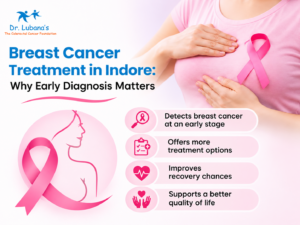
Breast Cancer Treatment in Indore: Why Early Diagnosis Matters
Early diagnosis plays an important role in breast cancer management. When cancer is identified before it spreads extensively, treatment options may be more favourable.
The appropriate treatment depends on the disease stage, tumour subtype, receptor status and overall health of the patient.
For example:
- Localised breast cancer may be treated with surgery and additional therapy when indicated.
- Larger tumours may require chemotherapy before surgery.
- Hormone receptor-positive cancers may benefit from hormonal treatment.
- HER2-positive cancers may require HER2-targeted medicines.
- Metastatic breast cancer may require systemic treatment to control disease and symptoms.
Breast Cancer Treatment in Indore should therefore be planned after reviewing the complete diagnostic and pathology reports. A multidisciplinary team involving surgical, medical and radiation oncology professionals may help coordinate different aspects of treatment.
Dr. Parvinder S. Lubana’s surgical background includes the management of complex gastrointestinal and cancer-related conditions. His professional profile can help patients understand his surgical specialities, while breast-specific treatment decisions should be discussed with the appropriate oncology professionals. Patients should discuss treatment benefits, possible side effects, recovery expectations and follow-up requirements before making decisions.
How to Choose the Right Cancer Surgeon in Indore?
Choosing a surgeon for cancer-related conditions requires careful consideration of medical qualifications, surgical experience and the type of cancer being treated.
Consider the following factors:
Relevant Qualifications: Review the doctor’s qualifications, specialist training and professional experience.
Surgical Experience: Understand the surgeon’s experience with the particular cancer and procedure being considered.
Available Facilities: Check whether the hospital has appropriate diagnostic equipment, surgical facilities and critical care support.
Multidisciplinary Team: Complex cancer treatment may require coordination between surgeons, medical oncologists, radiation oncologists, radiologists and pathologists.
Follow-Up Support: Ask about post-treatment monitoring, recovery guidance and follow-up investigations.
Dr. Parvinder S. Lubana has over 30 years of surgical experience and specialises in gastrointestinal, colorectal and hepatopancreatobiliary surgery. His professional background and areas of expertise are relevant when evaluating his surgical services.
For breast cancer, patients should also ensure that their care plan is reviewed by a qualified breast oncology team.
Frequently Asked Questions
1. What are the early Breast Cancer Symptoms in Women?
Early signs may include a new breast lump, thickening, changes in breast shape, nipple inversion, unusual discharge or skin dimpling. Some early breast cancers do not cause noticeable symptoms. Any new or unusual breast change should be evaluated by a healthcare professional.
2. When should I consider Breast Cancer Treatment in Indore?
You should seek medical evaluation if you notice a suspicious breast lump, nipple changes, unusual discharge, persistent swelling or abnormal imaging results. Treatment decisions are made after clinical examination, imaging and biopsy when required.
3. Is every breast lump cancerous?
No. Many breast lumps are benign and may develop due to cysts, fibroadenomas or hormonal changes. However, a new or persistent lump should be examined to determine its cause. Imaging and biopsy may be recommended depending on the findings.
4. How is Breast Cancer Diagnosis in Indore performed?
Diagnosis generally involves a clinical breast examination, imaging tests such as mammography or ultrasound and tissue sampling through biopsy when indicated. Additional tests, including hormone receptor and HER2 testing, help determine the cancer subtype and guide treatment.
5. What are the common Breast Cancer Surgery in Indore options?
Surgical options may include lumpectomy, mastectomy and sentinel lymph node biopsy. The appropriate procedure depends on tumour size, location, disease extent, genetic risk and the patient’s treatment preferences.
6. Can breast cancer occur in younger women?
Yes. Although the risk generally increases with age, younger women can also develop breast cancer. A family history, inherited gene mutations and other factors may influence individual risk.
7. Is chemotherapy always required for breast cancer?
No. Chemotherapy is not necessary for every patient. Its use depends on cancer stage, tumour subtype, recurrence risk and other clinical factors. Some patients may require surgery, radiation, hormonal treatment or targeted therapy without chemotherapy.
8. What is the role of a Breast Cancer Specialist in Indore?
A specialist evaluates breast-related symptoms, reviews diagnostic reports, helps confirm the diagnosis and discusses suitable treatment options. Depending on the patient’s condition, care may involve a breast surgeon, medical oncologist and radiation oncologist.
9. Can breast cancer return after treatment?
Yes. Breast cancer can sometimes recur after treatment, although the risk varies according to tumour type, stage and treatment response. Follow-up visits and recommended imaging help monitor the patient’s health after treatment.
10. How long does Breast Oncology Treatment in Indore take?
Treatment duration varies considerably. Surgery may require a relatively short hospital stay, while chemotherapy, radiation and hormonal therapy can continue over several weeks, months or years. The schedule depends on the individual treatment plan.
11. Can men also develop breast cancer?
Yes. Although breast cancer is much less common in men, it can occur. Warning signs may include a breast lump, nipple inversion, discharge or changes in the surrounding skin. Unusual breast changes in men should also be medically evaluated.
Conclusion – Breast Cancer Specialist in Indore
Breast cancer is a condition that requires awareness, timely diagnosis and an appropriate treatment plan. Recognising unusual breast changes, understanding personal risk factors and seeking medical advice can help patients take important steps towards early evaluation. Breast Cancer Treatment in Indore may involve surgery, chemotherapy, radiation therapy, hormonal treatment or targeted medicines, depending on the patient’s diagnosis and cancer subtype. Every patient requires an individualised approach based on clinical examination, imaging and pathology findings.
Dr. Parvinder S. Lubana is an experienced gastrointestinal, colorectal and hepatopancreatobiliary surgeon in Indore with more than 30 years of surgical experience and over 40,000 surgeries. His documented expertise includes complex gastrointestinal and cancer-related surgical conditions.
Patients should consult the appropriate breast oncology professionals for breast cancer-specific diagnosis and treatment planning. They should not ignore a new breast lump, unusual nipple discharge, skin dimpling or unexplained changes in breast appearance. Even when these changes are painless, medical evaluation is important.
With appropriate diagnosis, coordinated medical care, treatment monitoring and emotional support, patients can make informed decisions throughout their treatment journey. Regular follow-up and adherence to the recommended care plan remain important parts of long-term breast cancer management.