Dr Parvinder S Lubana

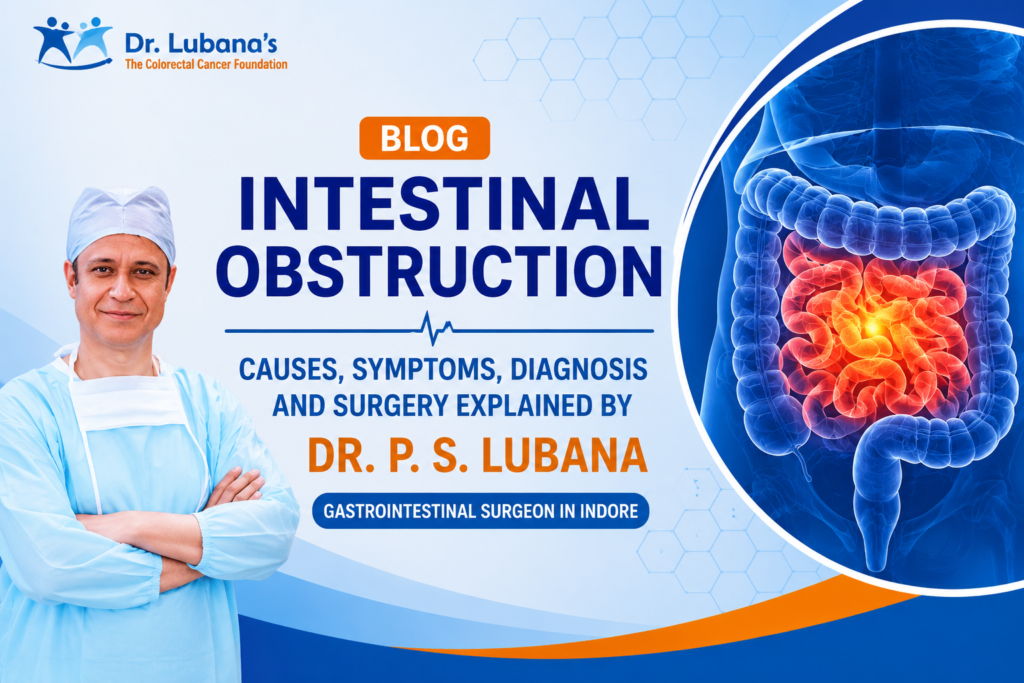
Intestinal obstruction blog banner featuring Dr. P. S. Lubana, intestinal obstruction causes, symptoms, diagnosis and surgery
Uncategorized

Intestinal Obstruction Causes, Symptoms, Diagnosis and Surgery Explained by Dr. P. S. Lubana Gastrointestinal Surgeon in Indore

A Gastrointestinal Surgeon in Indore evaluates and treats conditions affecting the digestive system, including the stomach, small intestine, large intestine, colon, rectum, liver, pancreas, and other abdominal organs. Intestinal obstruction is one such condition in which the normal movement of food, fluids, digestive secretions, or gas through the intestine becomes partially or completely blocked. Depending on the cause and severity, intestinal obstruction may require observation, medical management, endoscopic treatment, or surgery. People experiencing intestinal blockage may develop symptoms such as abdominal pain, bloating, vomiting, constipation, inability to pass gas, or changes in bowel movements. A GI Surgeon in Indore may evaluate these symptoms to determine whether the obstruction is caused by scar tissue, hernia, tumor, twisting of the intestine, inflammation, or another gastrointestinal condition. Early assessment is important because a severe obstruction can affect the blood supply to the intestine and may result in complications if treatment is delayed. Dr. P. S. Lubana is a gastrointestinal, colorectal, hepato-pancreato-biliary, cancer, laparoscopic, and minimally invasive surgeon in Indore. His surgical practice includes gastrointestinal and colorectal conditions and various laparoscopic and minimally invasive procedures. What Is Intestinal Obstruction and How Is It Treated? Intestinal obstruction occurs when the normal passage through part of the intestine becomes blocked. The blockage can be partial, allowing some contents to pass, or complete, preventing normal passage. The small intestine is responsible for much of the digestion and absorption of nutrients, while the large intestine helps absorb water and forms stool. A blockage in either area can interfere with normal digestive function. An Intestinal Obstruction Specialist in Indore may evaluate the location, cause, severity, and duration of the obstruction before determining the appropriate treatment. What Are the Common Causes of Intestinal Obstruction? Several conditions can cause intestinal blockage. The cause may differ between individuals, and previous abdominal surgery is an important risk factor in adults. Common causes include: Abdominal adhesions Hernias Tumors Colorectal cancer Intestinal twisting Inflammatory bowel conditions Intestinal narrowing Impacted stool Certain congenital abnormalities Foreign bodies in selected situations Abdominal adhesions are bands of scar tissue that can develop after surgery or inflammation and may cause the intestine to become kinked or compressed. A Bowel Obstruction Treatment in Indore evaluation may therefore involve reviewing previous surgeries, medical conditions, bowel symptoms, and imaging findings. What Are the Symptoms of Intestinal Obstruction? The symptoms of intestinal obstruction can vary depending on whether the blockage is partial or complete and where it is located. Common symptoms include: Cramping abdominal pain Abdominal swelling or bloating Nausea Vomiting Constipation Difficulty passing gas Reduced bowel movements Loss of appetite Abdominal discomfort Dehydration Weakness Pain may come and go in waves, particularly when the intestine attempts to move its contents past the obstruction. Patients experiencing persistent abdominal pain with vomiting, severe bloating, or inability to pass stool or gas should receive timely medical evaluation by an appropriate Gastrointestinal Surgeon in Indore. When Is Intestinal Obstruction an Emergency? An intestinal blockage can sometimes become a surgical emergency, particularly when the blood supply to the affected bowel is compromised. Warning signs that require urgent medical attention include: Severe or worsening abdominal pain Persistent vomiting Increasing abdominal swelling Inability to pass stool and gas Fever Rapid heart rate Significant weakness Signs of dehydration Blood in stool Severe abdominal tenderness Sudden deterioration of symptoms Intestinal Obstruction Surgery in Indore may become necessary when there is complete obstruction, bowel damage, perforation, strangulation, or another condition that cannot be safely managed with conservative treatment. What Is Small Bowel Obstruction? A small bowel obstruction occurs when the passage of contents through the small intestine becomes blocked. Common causes include postoperative adhesions, hernias, tumors, inflammatory conditions, and twisting of the intestine. Symptoms may include abdominal cramps, vomiting, bloating, and difficulty passing gas or stool. Vomiting can sometimes occur earlier in small bowel obstruction compared with obstruction involving the large intestine. Small Bowel Obstruction Treatment in Indore depends on the cause, severity, and whether there are signs of compromised bowel function. What Is Large Bowel Obstruction? A large bowel obstruction affects the colon and prevents normal movement of intestinal contents toward the rectum. Potential causes include colorectal tumors, narrowing of the colon, twisting of the bowel, inflammatory conditions, and other structural abnormalities. Patients may experience pronounced abdominal distension, constipation, inability to pass gas, abdominal pain, and sometimes vomiting. A Colorectal Surgeon in Indore may evaluate suspected large bowel obstruction and determine whether additional imaging, endoscopic assessment, or surgery is appropriate. Can Colorectal Cancer Cause Intestinal Obstruction? Yes. A tumor in the colon or rectum can narrow the intestinal passage and interfere with the movement of stool. A Colorectal Cancer Surgeon in Indore may evaluate patients when imaging or other investigations suggest a colorectal tumor causing obstruction or another bowel problem. The appropriate treatment depends on the tumor location, stage, overall health, and whether emergency treatment is required. Symptoms associated with colorectal cancer may include: Changes in bowel habits Blood in stool Unexplained weight loss Persistent abdominal discomfort Narrow stools Constipation Diarrhea Fatigue Symptoms of intestinal obstruction Can Hernia Cause Intestinal Obstruction? A hernia occurs when an internal organ or tissue pushes through a weakened area of the surrounding muscle or connective tissue. In some cases, a portion of the intestine can become trapped inside the hernia. If the bowel becomes compressed, its movement can be obstructed. If blood supply is also affected, the condition can become serious. A Hernia Surgeon in Indore may assess a painful or irreducible hernia, particularly when it is associated with vomiting, abdominal swelling, constipation, or inability to pass gas. Prompt assessment is important when a hernia is associated with symptoms of bowel obstruction. How Is Intestinal Obstruction Diagnosed? Diagnosis begins with a detailed medical history and physical examination. The surgeon may ask about: Duration of symptoms Location of abdominal pain Vomiting Bowel movements Ability to pass gas Previous abdominal surgery Previous hernia Weight loss Previous gastrointestinal disease Cancer history Medication use The abdomen may be examined for swelling, tenderness, bowel sounds, or other signs. A Gastrointestinal
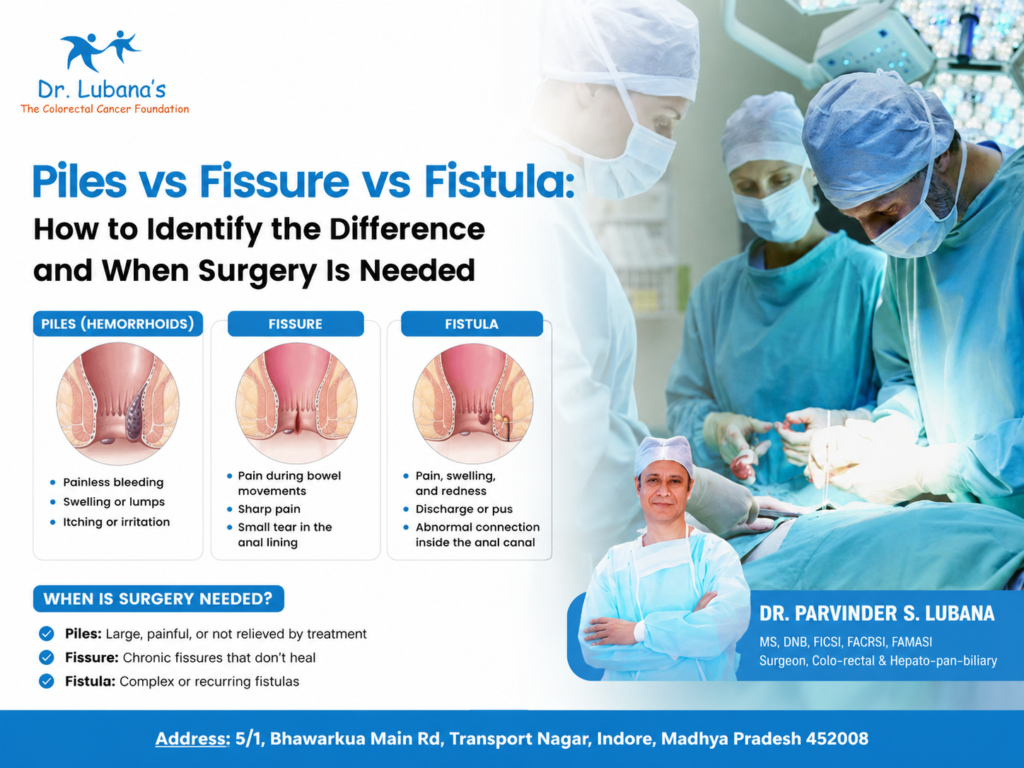
Piles vs fissure vs fistula infographic explaining symptoms, differences, and when surgery may be needed
Uncategorized

Piles vs Fissure vs Fistula: How to Identify the Difference and When Surgery Is Needed

Many people experience pain, bleeding, or discomfort around the anal region but often assume it is simply piles. In reality, these symptoms may also be caused by an anal fissure or fistula. Although these conditions affect the same area, they have different causes, symptoms, and treatment approaches. Understanding the difference is essential because delaying proper diagnosis can lead to worsening symptoms and complications. If you are searching for Piles Treatment in Indore, it is important to know that not every case of rectal pain or bleeding is caused by hemorrhoids. Consulting an experienced colorectal surgeon helps identify the exact condition and ensures the most effective treatment. At Apple Hospital, Dr. Parvinder S. Lubana, a highly experienced Gastrointestinal, Colorectal, and Hepato-Pan-Biliary Surgeon in Indore, specializes in diagnosing and treating piles, fissures, fistulas, and other colorectal disorders. With more than 30 years of surgical experience and over 40,000 successful surgeries, he provides advanced, minimally invasive treatment options that promote faster recovery and better long-term outcomes. What Are Piles? Piles, also known as hemorrhoids, are swollen and enlarged veins located inside or around the anus and lower rectum. They develop due to increased pressure in the rectal veins and are one of the most common causes of rectal bleeding. Common Causes of Piles Chronic constipation Straining during bowel movements Low-fiber diet Pregnancy Obesity Sitting for long periods Aging Common Symptoms of Piles Bright red bleeding during bowel movements Itching around the anus Swelling or lumps near the anal opening Pain while sitting Mucus discharge Feeling of incomplete bowel emptying Mild piles often improve with dietary changes, medications, and lifestyle modifications. However, advanced or prolapsed piles may require Piles Treatment in Indore using minimally invasive surgical techniques for permanent relief. What Is an Anal Fissure? An anal fissure is a small tear in the lining of the anal canal. Unlike piles, a fissure usually causes sharp pain during and after passing stools because the tear exposes sensitive tissues. Common Causes of Anal Fissure Passing hard stools Severe constipation Chronic diarrhea Childbirth Excessive straining Symptoms of Anal Fissure Severe pain during bowel movements Burning sensation after passing stool Small amount of bright red blood on toilet paper Visible crack near the anus Muscle spasms around the anal opening Most acute fissures heal with medication, stool softeners, and dietary improvements. Chronic fissures that fail to heal may require a minor surgical procedure for long-term relief. What Is an Anal Fistula? An anal fistula is an abnormal tunnel that forms between the anal canal and the skin surrounding the anus. It usually develops after an anal abscess or infection and rarely heals without surgical treatment. Unlike piles or fissures, fistulas often cause repeated infections, pus discharge, and persistent discomfort. Common Causes of Anal Fistula Anal abscess Infection of anal glands Crohn’s disease Tuberculosis (rare) Previous anal surgery Trauma around the anal region Symptoms of Anal Fistula Continuous pus discharge Swelling around the anus Pain while sitting Recurrent infections Fever in infected cases Bad-smelling discharge Skin irritation around the anus Since fistulas generally do not heal on their own, surgical treatment is usually recommended to prevent recurrent infections and complications. Piles vs Fissure vs Fistula: Key Differences Many people confuse piles, fissures, and fistulas because they all affect the anal region. However, they are very different conditions and require different treatments. Understanding these differences helps patients seek the right Piles Treatment in Indore or other colorectal treatment before complications develop. Feature Piles (Hemorrhoids) Anal Fissure Anal Fistula Cause Swollen rectal veins Tear in anal lining Infection creating an abnormal tunnel Main Symptom Bleeding during stools Sharp pain during bowel movement Pus discharge and recurrent swelling Pain Mild to moderate Severe, especially during stools Persistent throbbing pain Bleeding Common Small amount Rare Discharge Usually no No Yes (pus or fluid) Infection Rare Rare Very common Surgery Needed Only advanced cases Chronic cases Usually required Although symptoms may overlap, only a proper examination by an experienced colorectal surgeon can confirm the diagnosis and recommend the appropriate treatment. How Are Piles, Fissures, and Fistulas Diagnosed? Early diagnosis helps prevent unnecessary pain and complications. During your consultation, the surgeon carefully reviews your symptoms, medical history, and bowel habits before performing a physical examination. Depending on the condition, investigations may include: Clinical examination Digital rectal examination Proctoscopy Anoscopy Colonoscopy (when indicated) MRI for complex fistulas Blood investigations if infection is suspected At Apple Hospital, Dr. Parvinder S. Lubana uses advanced diagnostic techniques to accurately identify the condition and recommend the most suitable Piles Treatment in Indore or colorectal surgery when necessary. When Is Surgery Needed for Piles, Fissures, or Fistulas? Not every patient requires surgery. Many mild cases improve with medicines, dietary changes, and lifestyle modifications. However, surgery becomes necessary when symptoms are severe, recurrent, or fail to improve with conservative treatment. Surgery for Piles May Be Recommended If: Bleeding occurs repeatedly Large prolapsed piles develop Severe pain affects daily activities Medical treatment fails Frequent recurrence occurs Modern minimally invasive procedures such as laser surgery, stapler surgery, and advanced hemorrhoidectomy provide faster recovery with less postoperative discomfort. Surgery for Anal Fissure May Be Needed If: Symptoms continue for more than 6–8 weeks Medicines do not provide relief Chronic fissure develops Recurrent pain affects quality of life A procedure called Lateral Internal Sphincterotomy (LIS) is commonly performed and offers excellent long-term results for chronic fissures. Surgery for Anal Fistula Is Usually Necessary Unlike piles or fissures, fistulas rarely heal without surgery because the infected tract remains inside the tissues. Treatment options may include: Fistulotomy Seton placement Laser fistula treatment VAAFT (Video-Assisted Anal Fistula Treatment) LIFT procedure in selected patients Early surgical treatment helps prevent repeated infections and protects the surrounding muscles. Can These Conditions Be Prevented? Although not every case can be prevented, adopting healthy bowel habits significantly lowers the risk of developing piles, fissures, and fistulas. Simple Prevention Tips Eat a high-fiber diet Drink 2–3 liters of water daily Avoid prolonged constipation Do not strain during bowel movements Exercise regularly Maintain a

Uncategorized

Gastrointestinal Surgery in Indore: Symptoms, Conditions and Treatment Options

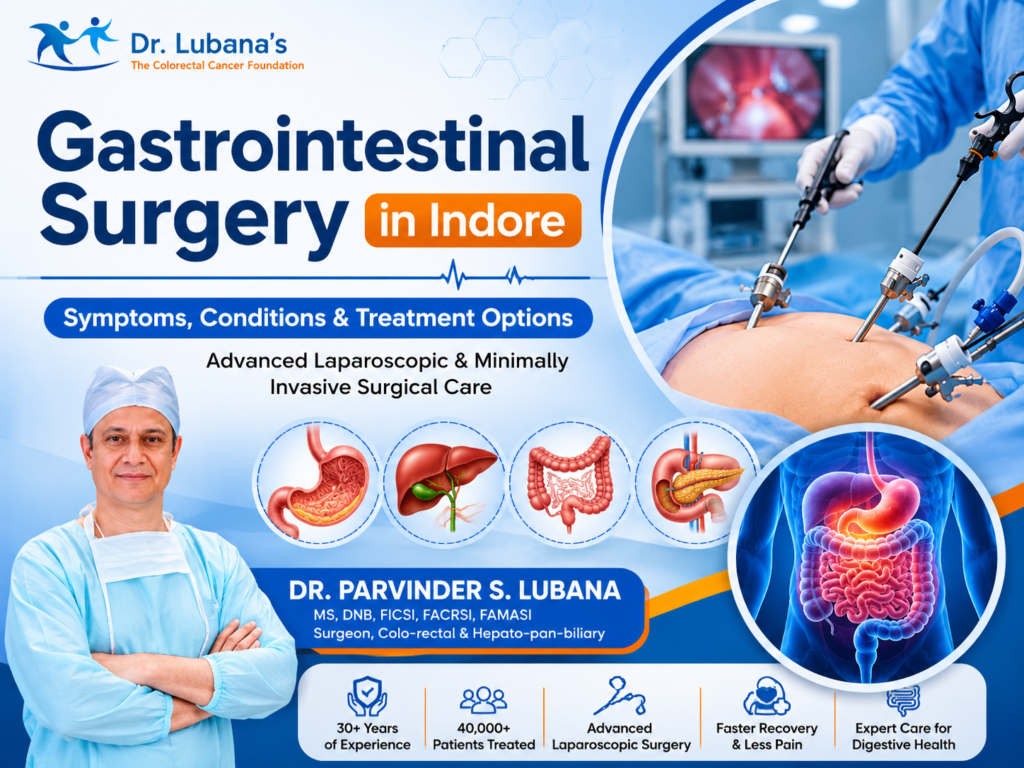
Gastrointestinal Surgery in Indore plays a crucial role in diagnosing and treating various disorders affecting the digestive system. Conditions involving the esophagus, stomach, small intestine, colon, rectum, liver, gallbladder, pancreas, and other digestive organs can significantly impact a person’s health and quality of life. While some gastrointestinal conditions can be managed with medications and lifestyle changes, others may require advanced surgical intervention for effective treatment. Dr. Parvinder S. Lubana, a highly experienced Gastrointestinal and Cancer Surgeon in Indore, is known for providing advanced surgical care for complex digestive disorders. With more than 30 years of surgical experience and over 40,000 successful patient treatments, he is widely recognized for his expertise in gastrointestinal surgery, colorectal surgery, hepato-biliary surgery, laparoscopic surgery, and cancer surgery. Patients searching for expert Gastrointestinal Surgery in Indore often consult Dr. Parvinder S. Lubana because of his advanced surgical training, minimally invasive treatment approach, and commitment to achieving better patient outcomes. Gastrointestinal Surgeon in Indore – Dr. Parvinder S. Lubana Choosing the right gastrointestinal surgeon is essential for accurate diagnosis and successful treatment. Dr. Parvinder S. Lubana is a renowned Gastrointestinal Surgeon in Indore with extensive experience in managing complex digestive disorders and gastrointestinal cancers. His expertise includes advanced laparoscopic procedures, colorectal surgery, hepato-biliary surgery, pancreatic surgery, liver surgery, and gastrointestinal cancer management. Patients consult Dr. Parvinder S. Lubana for: Gastrointestinal Surgery Colorectal Surgery Gallbladder Surgery Liver Disease Surgery Pancreatic Surgery Gastrointestinal Cancer Treatment Laparoscopic Surgery Minimally Invasive Surgical Procedures His patient-centered approach focuses on providing accurate diagnosis, personalized treatment planning, and faster recovery through advanced surgical techniques. What is Gastrointestinal Surgery? Gastrointestinal surgery involves surgical procedures performed on organs of the digestive system. The gastrointestinal tract includes: Esophagus Stomach Small Intestine Large Intestine Colon Rectum Liver Gallbladder Pancreas Surgery may be required when medical treatment alone cannot effectively manage the condition or when complications develop. Modern Gastrointestinal Surgery in Indore often utilizes minimally invasive laparoscopic techniques that allow faster recovery, less pain, and reduced hospital stay. Common Symptoms That May Require Gastrointestinal Surgery Many digestive disorders present with symptoms that should not be ignored. Persistent Abdominal Pain Chronic or severe abdominal pain may indicate underlying gastrointestinal conditions requiring further evaluation. Possible causes include: Gallbladder disease Appendicitis Intestinal obstruction Colorectal disorders Pancreatic disease Difficulty Swallowing Persistent difficulty swallowing may indicate problems involving the esophagus or upper digestive tract. Early diagnosis is important to prevent complications. Unexplained Weight Loss Significant weight loss without dietary changes should always be medically evaluated. It may indicate serious digestive system disorders. Persistent Vomiting Frequent vomiting can be a symptom of gastrointestinal obstruction or other digestive tract conditions. Rectal Bleeding Blood in the stool or rectal bleeding should never be ignored. It may be associated with: Hemorrhoids Polyps Colorectal cancer Inflammatory bowel disease Chronic Constipation Persistent constipation may indicate structural abnormalities or colorectal conditions requiring surgical evaluation. Change in Bowel Habits Sudden changes in bowel movements, stool consistency, or frequency may require medical attention. Jaundice Yellowing of the skin and eyes may indicate liver, gallbladder, or pancreatic disease. Conditions Commonly Treated Through Gastrointestinal Surgery Gallbladder Stones Gallstones are among the most common digestive conditions requiring surgery. Symptoms may include: Abdominal pain Nausea Vomiting Indigestion Laparoscopic gallbladder surgery is often recommended for symptomatic gallstones. Hernia Hernias occur when internal organs push through weakened muscle walls. Surgical repair is often necessary to prevent complications. Colorectal Disorders Colorectal conditions may affect the colon and rectum. Common examples include: Colorectal polyps Colorectal cancer Diverticular disease Rectal disorders Gastrointestinal Cancers Advanced gastrointestinal surgery may be required for: Stomach cancer Colon cancer Rectal cancer Liver cancer Pancreatic cancer Liver Disorders Certain liver diseases may require specialized surgical intervention. Pancreatic Conditions Pancreatic tumors and other pancreatic disorders often require expert surgical management. Appendicitis Acute appendicitis is a surgical emergency requiring prompt treatment. Intestinal Obstruction Blockage within the intestines may require urgent surgical intervention. Importance of Early Diagnosis Many patients delay seeking treatment because digestive symptoms may initially appear mild. However, delaying evaluation can lead to: Disease progression Increased complications Emergency surgery Longer recovery periods Reduced treatment effectiveness Early consultation allows accurate diagnosis and timely management. Advanced Laparoscopic Gastrointestinal Surgery in Indore Modern gastrointestinal surgery has evolved significantly over the past few decades. Dr. Parvinder S. Lubana specializes in advanced laparoscopic and minimally invasive surgical techniques. Benefits of laparoscopic surgery include: Smaller Incisions Minimal surgical cuts lead to improved cosmetic outcomes. Reduced Pain Patients often experience less postoperative discomfort. Faster Recovery Recovery time is generally shorter compared to traditional open surgery. Shorter Hospital Stay Many patients can return home sooner after surgery. Lower Risk of Complications Minimally invasive procedures may reduce certain surgical risks. Hepato-Biliary Surgery Expertise The liver, gallbladder, and bile ducts require highly specialized surgical expertise. Dr. Parvinder S. Lubana has advanced training in hepato-biliary surgery and manages conditions such as: Gallbladder Disease Bile Duct Disorders Liver Tumors Liver Cysts Complex Hepato-Biliary Conditions His specialized training enables precise management of these challenging conditions. Colorectal Surgery Services Colorectal disorders often require specialized surgical care. Dr. Lubana provides treatment for: Colon Cancer Rectal Cancer Colorectal Polyps Diverticular Disease Inflammatory Bowel Disease Complex Colorectal Conditions Advanced surgical techniques help improve patient outcomes and recovery. Gastrointestinal Cancer Surgery Cancer affecting the digestive system often requires a multidisciplinary treatment approach. Dr. Parvinder S. Lubana provides surgical management for: Stomach Cancer Colon Cancer Rectal Cancer Liver Cancer Pancreatic Cancer Gallbladder Cancer Early detection remains one of the most important factors influencing treatment success. Why Patients Choose Dr. Parvinder S. Lubana? Patients trust Dr. Parvinder S. Lubana because of: 30+ Years of Surgical Experience 40,000+ Patients Treated Expertise in Gastrointestinal Surgery Advanced Laparoscopic Techniques Hepato-Biliary Surgery Expertise Colorectal Surgery Specialization Cancer Surgery Experience Patient-Centered Surgical Care His commitment to surgical excellence has made him one of the most respected gastrointestinal surgeons in Indore. Advanced Surgical Training and Expertise Dr. Parvinder S. Lubana has received advanced surgical training from reputed institutions in India and abroad. His qualifications and specialized training include: MBBS – Shyam Shah Medical College,

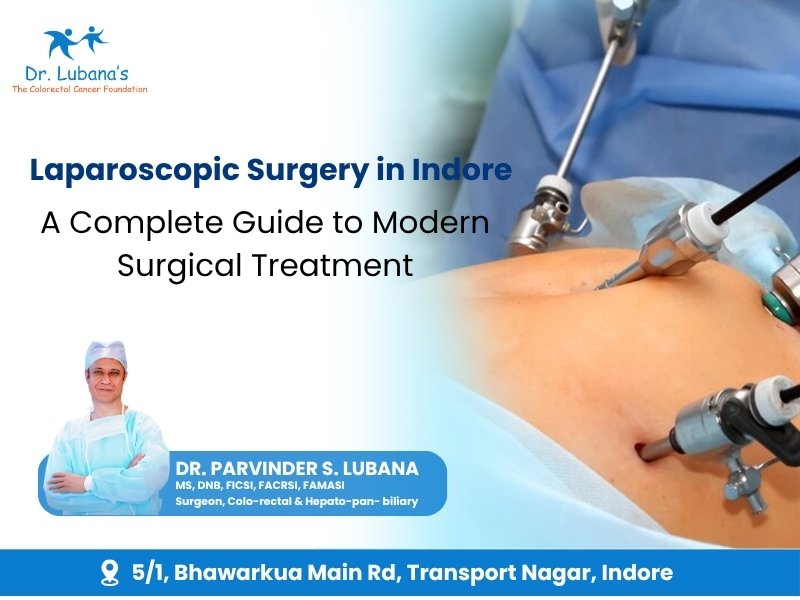
Dr PS Lubana explaining advanced laparoscopic surgery in Indore with minimally invasive surgical instruments performing abdominal surgery.
Uncategorized

Laparoscopic Surgery in Indore: A Complete Guide to Modern Surgical Treatment

Medical science has evolved significantly over the last few decades, making surgeries safer, more precise, and less painful for patients. One of the biggest advancements in modern surgery is Laparoscopic Surgery in Indore, a minimally invasive surgical technique that helps patients recover faster while reducing discomfort and complications. Today, many patients prefer Laparoscopic Surgery in Indore because it involves smaller incisions, shorter hospital stays, less blood loss, and quicker return to normal activities. Whether it is gallbladder surgery, hernia repair, appendix removal, colorectal surgery, or gastrointestinal procedures, laparoscopic techniques have transformed the way surgeons perform operations. When considering advanced surgical treatment, choosing the Best Surgeon in Indore is essential. Experienced specialists understand how to combine advanced technology with patient-centered care to achieve better outcomes. Dr PS Lubana is widely recognized for his expertise in gastrointestinal, colorectal, hepatobiliary, and cancer surgeries. With more than 30 years of experience and over 40,000 successful surgeries, he has helped countless patients benefit from modern Laparoscopic Surgery in Indore. What Is Laparoscopic Surgery? Understanding Minimally Invasive Surgery Laparoscopic Surgery in Indore is a modern surgical technique that allows surgeons to perform operations through very small cuts instead of a large open incision. During the procedure, a thin tube called a laparoscope is inserted through a small incision. This instrument contains a high-definition camera that provides a magnified view of internal organs on a monitor. Specialized surgical instruments are then used through additional small incisions to complete the operation. Because of this advanced approach, patients often experience: These advantages have made Laparoscopic Surgery in Indore a preferred option for many surgical conditions. Smaller scars Less pain after surgery Reduced risk of infection Faster healing Shorter hospital stays Quicker return to daily activities Why Is Laparoscopic Surgery Becoming So Popular? Over the past few years, Laparoscopic Surgery in Indore has gained significant popularity among patients seeking advanced surgical treatment. The procedure is widely preferred because it offers a more comfortable experience, shorter recovery periods, and reduced postoperative discomfort compared to conventional open surgery. Traditional surgical methods typically require a large incision to access the affected organ or tissue. By contrast, laparoscopic procedures are performed through a few small incisions using a high-definition camera and specialized surgical instruments. This minimally invasive approach allows surgeons to perform complex operations with greater precision while minimizing damage to surrounding tissues. As medical technology continues to advance, more patients are choosing Laparoscopic Surgery in Indore for conditions such as gallstones, hernias, appendicitis, gastrointestinal disorders, and colorectal diseases. The combination of smaller scars, faster healing, and shorter hospital stays has made laparoscopic surgery a preferred option for both patients and surgeons. Benefits of Laparoscopic Surgery Smaller Incisions One of the biggest benefits of laparoscopic surgery is that it requires very small incisions. Traditional open surgery may need a long cut on the abdomen, which can affect muscles, skin, and surrounding tissues. In laparoscopic surgery, the surgeon makes small openings through which a camera and instruments are inserted. Because the cuts are small, there is less damage to the body. This helps in faster healing and reduces the chances of large scars. Smaller incisions also make the surgery more comfortable for the patient after the procedure. Less Pain After Surgery Pain after surgery is usually related to the size of the incision and the amount of tissue handling during the operation. Since laparoscopic surgery uses small cuts and causes less tissue disturbance, patients generally experience less pain after surgery. This means patients may need fewer pain medicines and can move around more comfortably. Early movement after surgery is important because it helps improve blood circulation, digestion, and overall recovery. This is one major reason why many people prefer Laparoscopic Surgery in Indore for suitable surgical conditions. Faster Recovery Recovery is one of the most important concerns for patients. In traditional surgery, healing may take longer because of the larger wound. Patients may need more rest, a longer hospital stay, and more time away from work or daily activities. With laparoscopic surgery, recovery is usually faster. Many patients are able to walk within a few hours after surgery and may return home sooner, depending on the type of procedure. They can often resume light activities earlier than patients who undergo open surgery. For working professionals, homemakers, elderly patients, and busy individuals, faster recovery makes Laparoscopic Surgery in Indore a practical and helpful option. Reduced Blood Loss During any surgery, controlling bleeding is very important. Laparoscopic surgery is performed with advanced instruments and a magnified camera view, allowing the surgeon to see blood vessels and tissues clearly. This helps in performing the procedure with greater precision. Because the incisions are smaller and tissue handling is reduced, blood loss is often less compared to open surgery. Reduced blood loss can make the surgery safer and may lower the need for additional medical support after the procedure. Lower Risk of Infection Large wounds have a greater chance of infection because more tissue is exposed during surgery. In laparoscopic surgery, the wounds are much smaller, which means there is less exposure to external germs and contaminants. Smaller wounds are also easier to keep clean and care for after surgery. This may reduce the chances of wound infection and support better healing. Patients who are worried about postoperative complications often feel more confident choosing Laparoscopic Surgery in Indore when recommended by an experienced surgeon. Better Cosmetic Results Many patients are also concerned about visible scars after surgery. Since laparoscopic surgery uses small incisions, the scars are usually minimal and less noticeable over time. This is especially beneficial for patients who want better cosmetic results along with effective treatment. Smaller scars can also improve patient confidence after recovery. While the main goal of surgery is always health and safety, better cosmetic outcomes are an added advantage of laparoscopic techniques. Why Choosing the Right Surgeon Matters Although laparoscopic surgery has many benefits, the result depends greatly on the surgeon’s skill, experience, and decision-making. Every patient’s condition is different, and not every

Scroll to Top