Breast Cancer Treatment in Indore: Symptoms, Diagnosis & Advanced Surgical Options – Dr P.S. Lubana
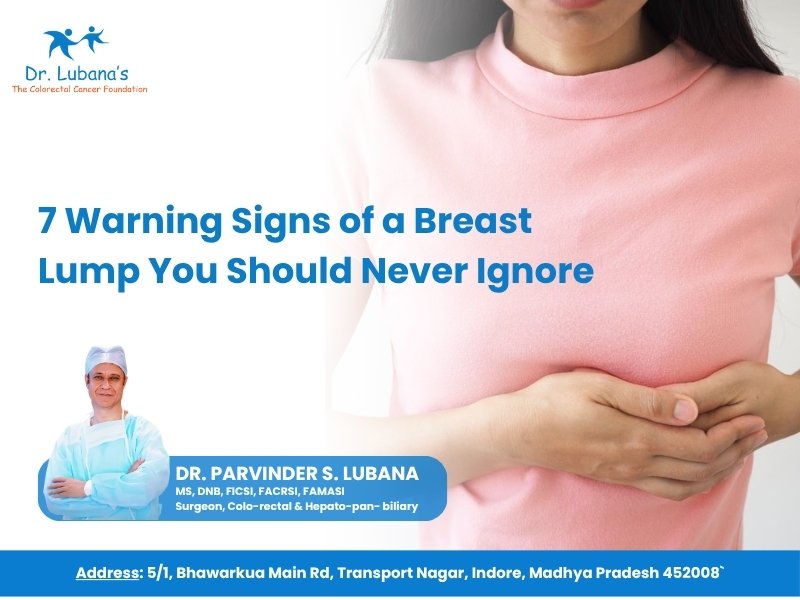
Breast cancer treatment in Indore has advanced significantly over the last decade, offering patients access to modern diagnostic facilities, minimally invasive surgical techniques, and personalized cancer care. Breast cancer is one of the most common cancers affecting women worldwide, and early diagnosis plays a critical role in improving treatment outcomes and survival rates. If you are searching for breast cancer treatment in Indore, Dr P.S. Lubana is a highly experienced gastrointestinal and cancer surgeon with more than 30 years of surgical expertise and over 40,000 successful surgeries. He is known for providing advanced, patient-focused cancer care using modern surgical techniques that aim for better outcomes, faster recovery, and improved quality of life. Many women ignore early symptoms because they assume a breast lump or discomfort is harmless. However, recognizing warning signs early and consulting a breast cancer specialist can make a significant difference in treatment success. Best Breast Cancer Surgeon in Indore – Dr P.S. Lubana Choosing an experienced breast cancer surgeon is one of the most important decisions after a cancer diagnosis. Dr P.S. Lubana is recognized as one of the leading cancer surgeons in Indore due to his extensive experience in cancer surgery and advanced surgical management of complex diseases. His patient-centric approach, modern treatment methods, and commitment to surgical excellence have earned him the trust of patients across Indore and Madhya Pradesh. Patients consult Dr P.S. Lubana for: Breast cancer treatment Breast cancer surgery Cancer diagnosis and management Advanced laparoscopic procedures Gastrointestinal cancer surgery Colorectal cancer treatment Hepato-pancreato-biliary surgery His goal is to provide comprehensive cancer care while ensuring the highest standards of safety and recovery. Dr P.S. Lubana – Cancer Surgeon with 30+ Years of Experience Experience is a major factor in successful cancer treatment. Dr Parvinder S. Lubana has more than 30 years of surgical experience and has successfully performed over 40,000 surgeries. His expertise includes advanced cancer surgery, minimally invasive procedures, and complex abdominal operations. His qualifications include: MS DNB FICSI FACRSI FAMASI Patients looking for breast cancer treatment in Indore often choose Dr P.S. Lubana because of his vast experience, surgical precision, and evidence-based treatment approach. What Is Breast Cancer? Breast cancer develops when abnormal cells in the breast begin growing uncontrollably. Over time, these cells can form a tumor and may spread to nearby lymph nodes or other parts of the body if not treated. Breast cancer can affect: Women of all age groups Younger women Postmenopausal women Men (less commonly) Early diagnosis and appropriate breast cancer treatment in Indore significantly improve survival rates and treatment outcomes. Common Symptoms of Breast Cancer Understanding the warning signs of breast cancer is essential for early detection. Common symptoms include: A lump in the breast Lump in the underarm Changes in breast shape Breast swelling Skin dimpling Nipple inversion Nipple discharge Breast pain Changes in breast skin texture Redness or thickening of the skin Not every breast lump is cancer, but every new breast lump should be evaluated by a specialist. Breast Lump in Women – When Should You Consult a Specialist? One of the most common reasons women seek breast cancer treatment in Indore is the discovery of a breast lump. You should consult a breast cancer specialist if: The lump persists for more than a few weeks The lump feels hard or irregular There are changes in the nipple There is unexplained discharge The lump continues increasing in size There is a family history of breast cancer Early medical evaluation can help determine whether the lump is benign or cancerous. Risk Factors for Breast Cancer Several factors may increase the risk of developing breast cancer. Common risk factors include: Increasing age Family history of breast cancer Genetic mutations Hormonal factors Obesity Smoking Alcohol consumption Previous history of breast cancer Radiation exposure Having risk factors does not mean a person will develop cancer, but awareness helps with early screening. Importance of Early Breast Cancer Diagnosis Early detection remains one of the most effective ways to improve treatment success. Benefits of early diagnosis include: Better survival rates Less extensive surgery Improved recovery Reduced treatment complications Higher chances of cure Women should never ignore suspicious breast changes. Breast Cancer Diagnosis in Indore Accurate diagnosis is the first step toward effective treatment. Evaluation may include: Clinical breast examination Mammography Ultrasound MRI Biopsy Pathology testing These investigations help determine the type, stage, and extent of cancer. Mammography for Breast Cancer Detection Mammography is one of the most important screening tools for breast cancer. It can identify: Small tumors Early-stage cancer Suspicious calcifications Breast abnormalities Regular screening may help detect cancer before symptoms appear. Breast Biopsy – Confirming the Diagnosis A biopsy is often required to confirm breast cancer. During the procedure, a tissue sample is collected and examined under a microscope. A biopsy helps determine: Whether cancer is present Cancer type Tumor characteristics Treatment planning Breast Cancer Staging Once breast cancer is diagnosed, staging is performed. Staging helps doctors understand: Tumor size Lymph node involvement Cancer spread Overall disease extent This information guides treatment decisions. Breast Cancer Treatment in Indore – Available Options Breast cancer treatment depends on: Cancer stage Tumor size Lymph node status Patient health Cancer subtype Treatment may include: Surgery Chemotherapy Radiation therapy Targeted therapy Hormonal therapy Many patients require a combination of treatments. Breast Cancer Surgery in Indore Surgery is one of the most important components of breast cancer treatment. The primary goal is to remove cancer while preserving function and quality of life whenever possible. Breast-Conserving Surgery Breast-conserving surgery removes the cancer while preserving most of the breast tissue. Benefits include: Breast preservation Good cosmetic outcomes Effective cancer control This option may be suitable for selected patients. Mastectomy for Breast Cancer Mastectomy involves removal of the entire breast when necessary. It may be recommended for: Larger tumors Multiple tumor areas Certain high-risk cases Modern surgical techniques aim to improve recovery and outcomes. Lymph Node Surgery for Breast Cancer Breast cancer may spread to nearby lymph nodes. Lymph node evaluation helps determine: Cancer